We prepare for the physical.
The supplies. The plans. The response, but there’s something we don’t talk about enough and that is 👉 The mental load
What the Mental Load Actually Looks Like
It’s not always dramatic. It’s subtle. Cumulative. Heavy.
- Constant decision-making
- Uncertainty
- Waiting for information
- Managing fear, your own and others
And over time 👉 It adds up
Why it Hits Harder Than Expected



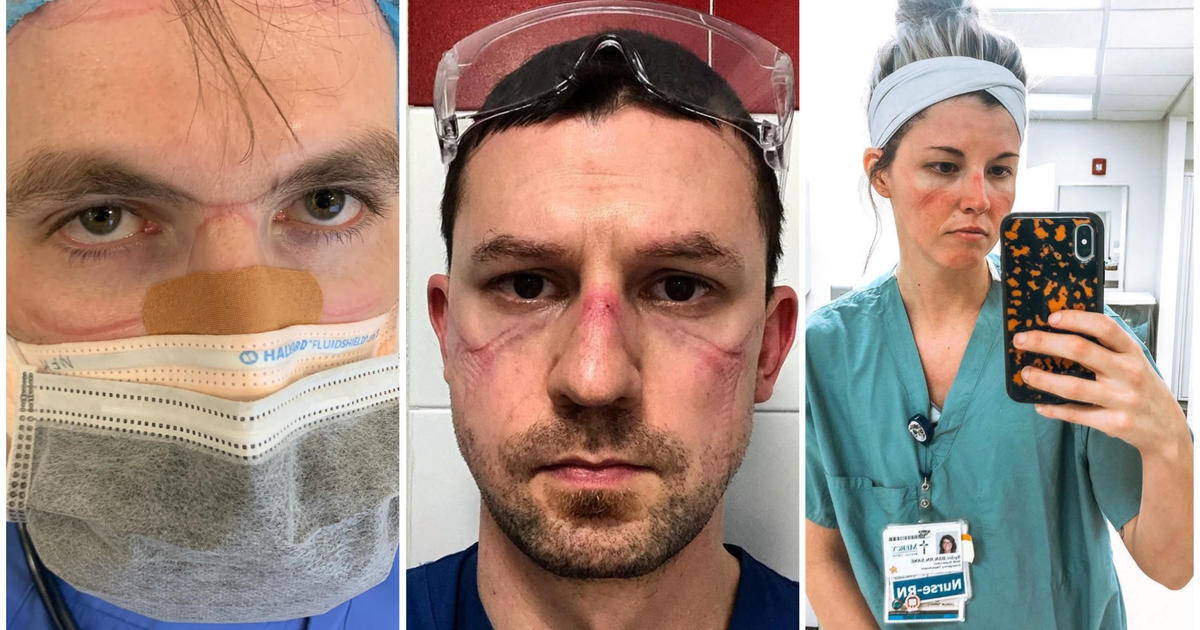 In a crisis:
- You don’t get full information
- You don’t get clear timelines
- You don’t get certainty
Instead, you get:👉 Partial information + high stakes decisions, and your brain tries to fill in the gaps.
The Part No One Prepares You For
It’s not just what you experience.
It’s what you carry.
- The “what ifs”
- The decisions you second-guess
- The moments you replay
Even after things stabilize-👉 The mental load doesn’t just disappear.
The Question to Ask Yourself
If everything around you felt uncertain, 👉 How would you manage that internally, because resilience isn’t just physical, it’s psychological.
What Actually Helps in the Moment

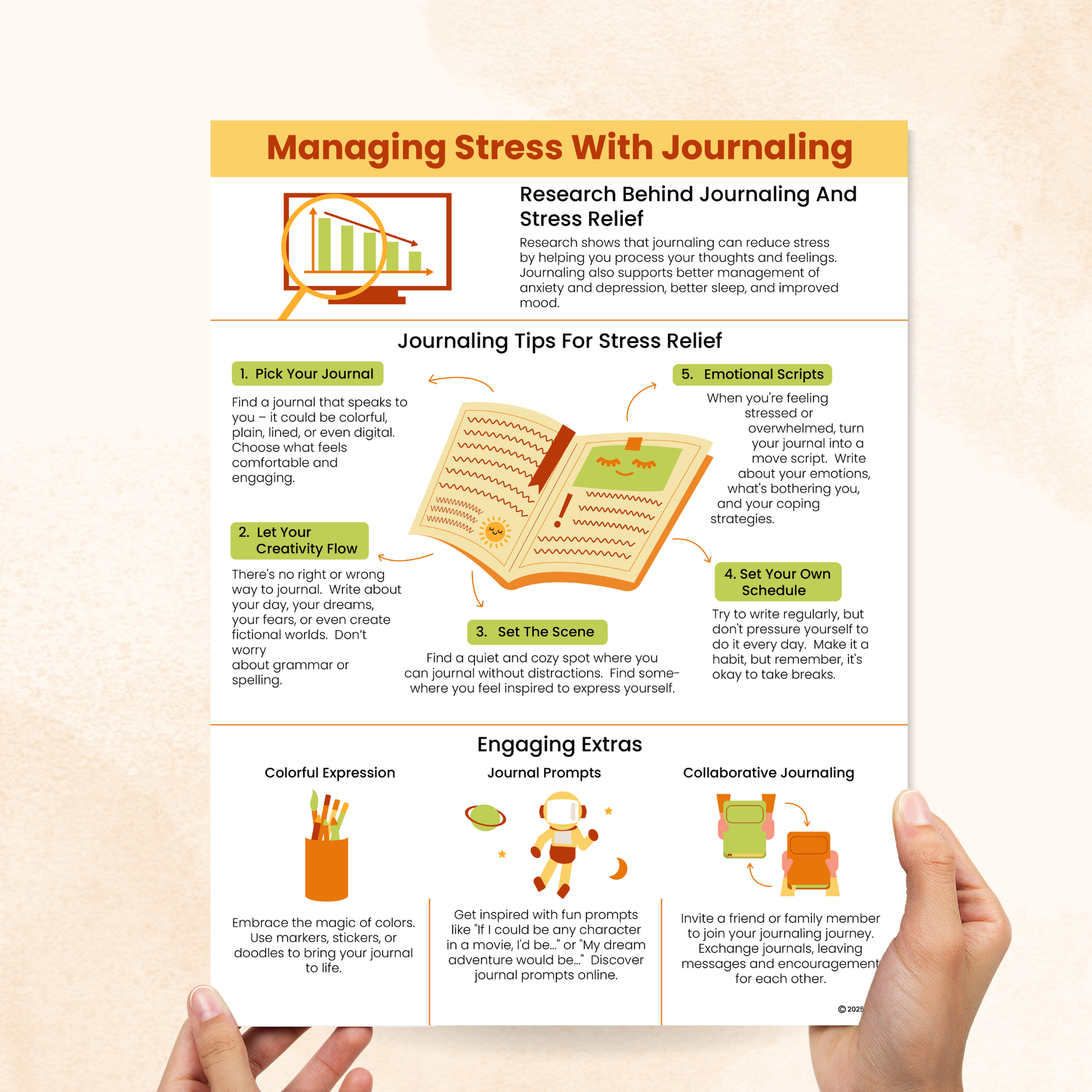

Simple ones:
- Pause and breathe (intentionally)
- Limit information overload
- Focus on what you can control
- Talk to someone you trust
- Step away-even briefly
👉 Small resets prevent bigger breakdowns
For Those in Healthcare and Response Roles
This part matters. You’re trained to manage others, but that doesn’t mean you’re immune.
👉 The expectation to stay composed can become its own burden and acknowledging that is not weakness, it’s awareness.
Final Thought