


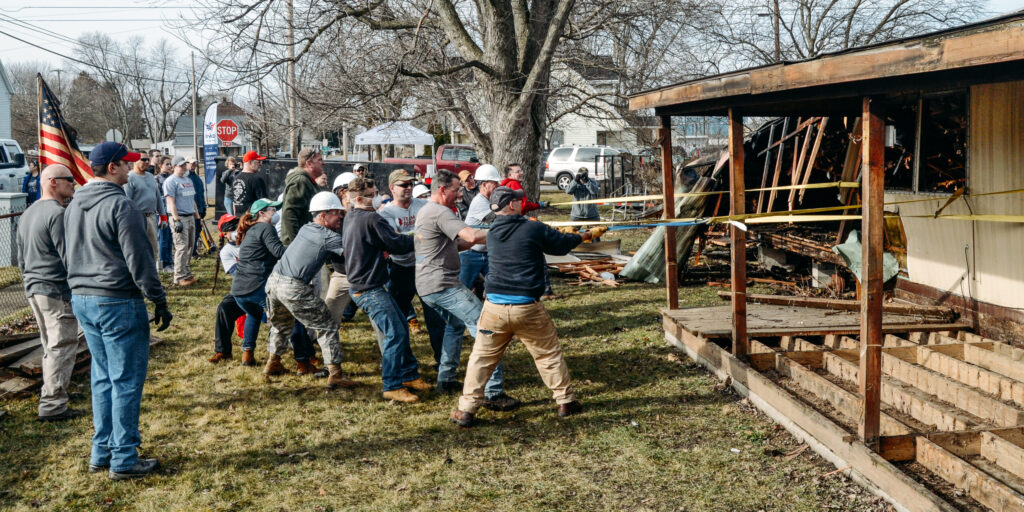
In disasters, in large-scale incidents, even in everyday emergencies, 👉 There is always a gap between what happens and when help arrives. And in that gap?👉 Someone has to act
Here’s the Reality
Before EMS arrives
Before the hospital is ready
Before systems stabilize
👉 The first responder is often… not a responder at all
It’s:
- The bystander
- The neighbor
- The coworker
- The family member
Or👉 You
Why This Matters More Than You Think


- Severe bleeding
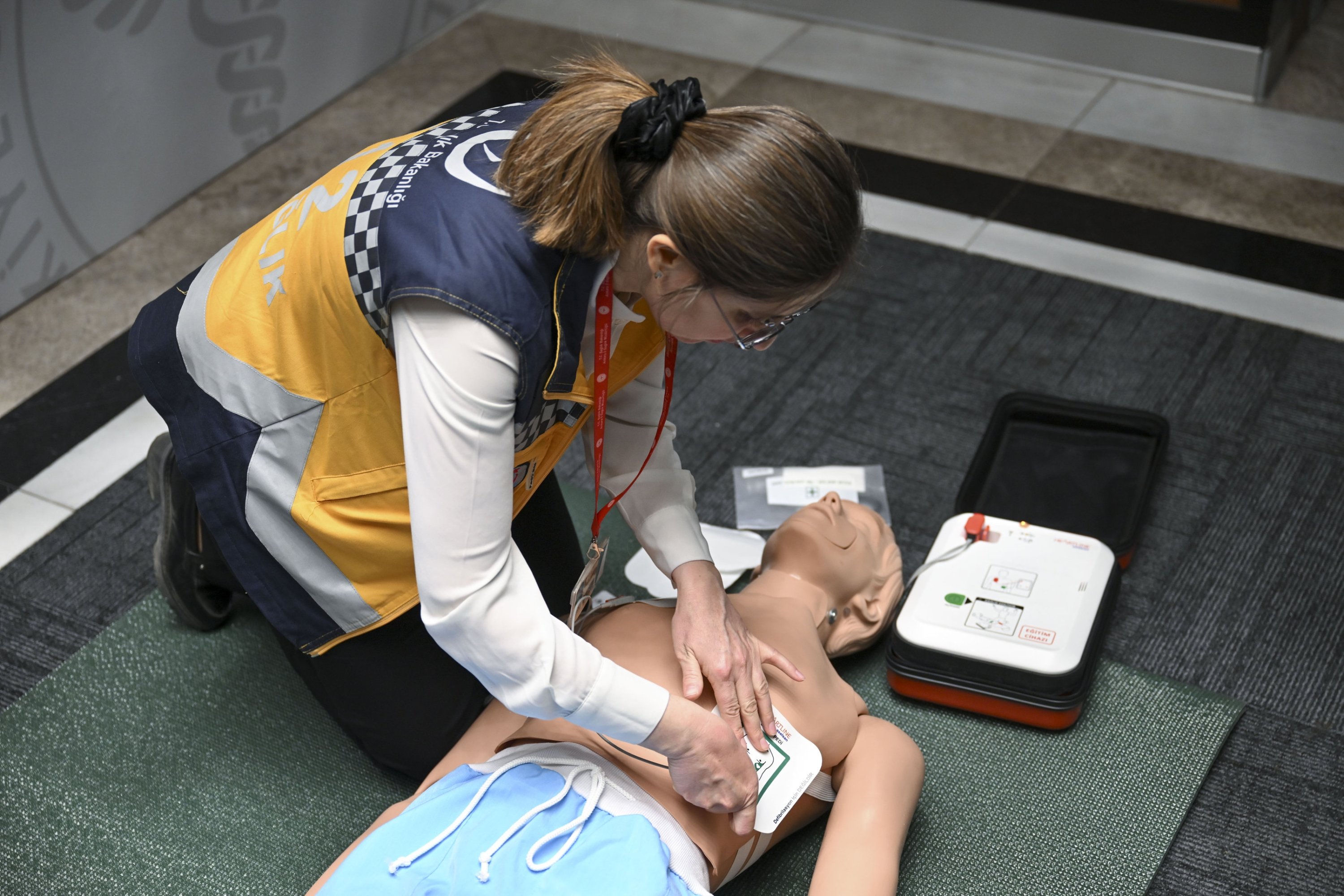
- Cardiac arrest
- Airway compromise
These don’t wait for systems.
👉 They depend on immediate action, and that action is often taken by someone with basic, not advanced, skills.
The Shift Most People Never Make
People think:
👉 “I’m not trained for that,” but preparedness isn’t about becoming a paramedic or nurse.
It’s about being able to:
- Recognize a problem
- Take simple, effective action
- Bridge the gap until help arrives
The Question to Ask Yourself
If something happened in front of you:
👉 Would you step forward?
👉 Or wait for someone else?
Because in that moment 👉 There may not be someone else
Start Here (High-Impact Skills)


You need foundational skills:
- CPR
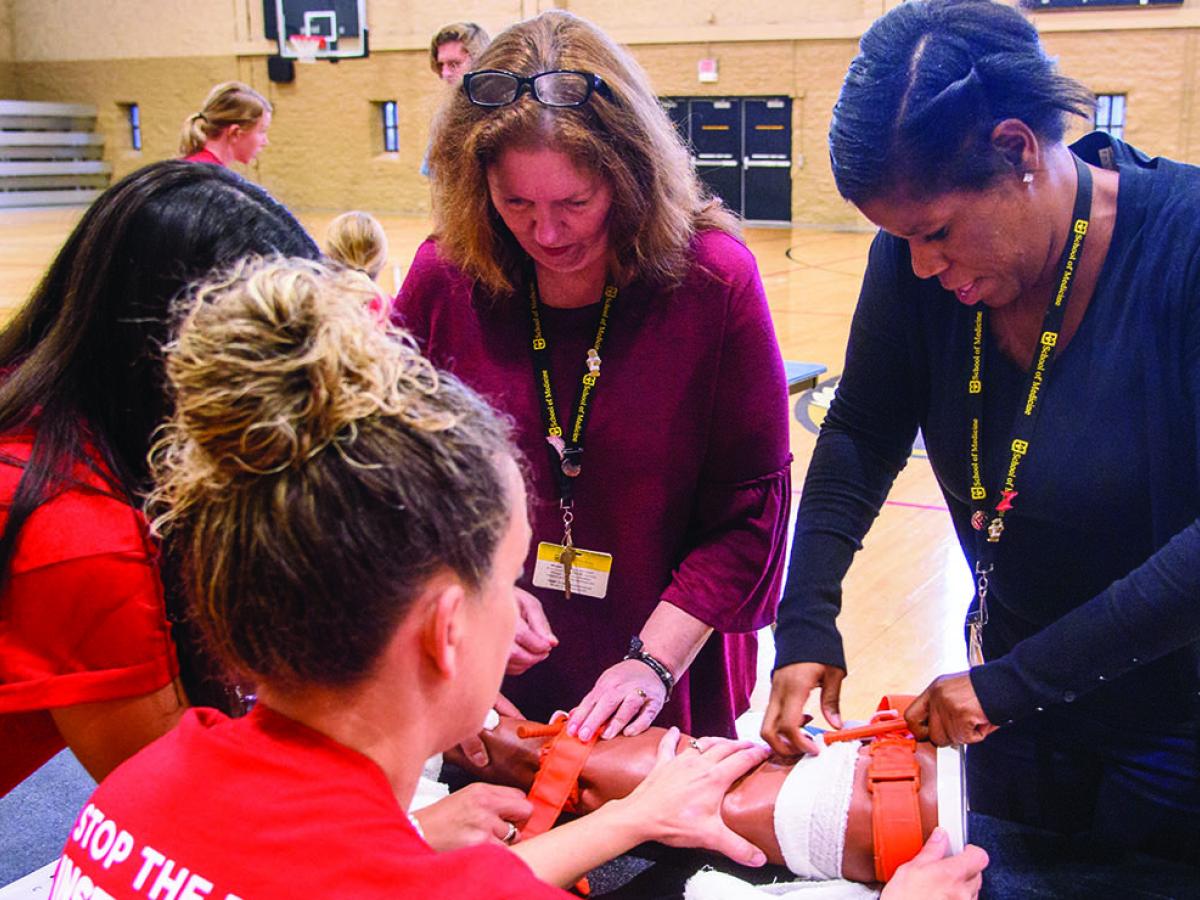
- Bleeding control (tourniquet, pressure)
- Basic first aid
- How to call for help effectively
👉 These are learnable. Practical. Life-saving.
What This Looks Like in Real Life
- A bystander stopping a hemorrhage before EMS arrives
- Someone starting CPR in the first critical minutes
- A neighbor helping stabilize a situation until help gets there
These aren’t rare moments.👉 They happen every day
Final Thought


Preparedness isn’t just about protecting yourself.
It’s about being ready to act when it matters most, because in the moments that define outcomes👉 The first responder is often the one who didn’t expect to be.