If you’ve been following this series, you’ve seen it from every angle:
- Systems under pressure
- Delays in care
- Communication breakdowns
- Resource limitations
- The mental load
- The role you didn’t expect to play
And maybe at some point you thought 👉 “This is a lot.” It is, but this was never just about disasters.
What This Is Really About
It’s about how we function:👉 When things don’t go as planned
Because disruption doesn’t always look like a major event.
Sometimes it looks like:
- A power outage
- A delayed response
- A system that’s overwhelmed
- A moment where you have to act before help arrives
Preparedness isn’t extreme. 👉 It’s practical
What You Should Take from This
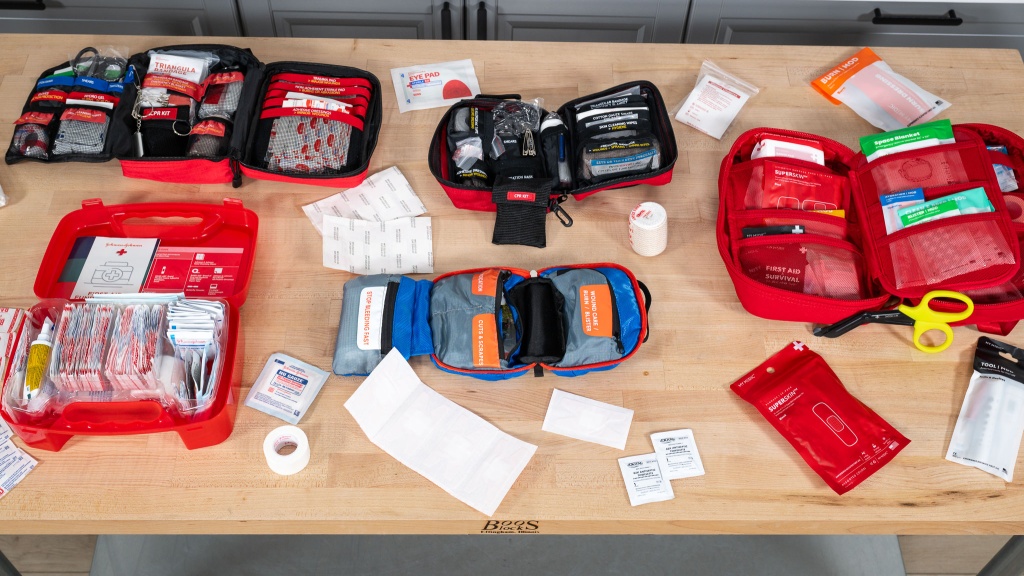

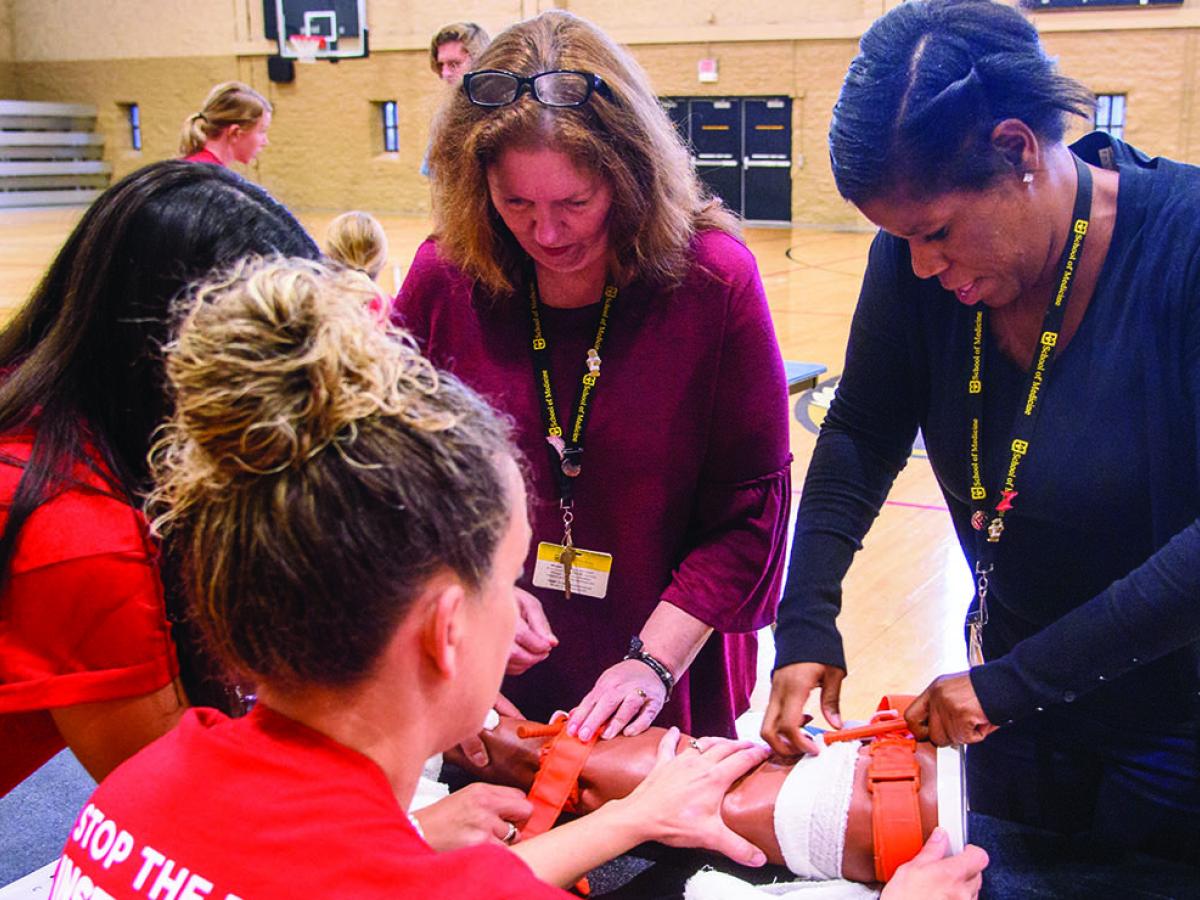
👉 Awareness
- Understanding how systems behave
- Knowing where gaps exist
- Being ready to adapt
That’s it.
The Shift That Matters Most
If there’s one thing to carry forward, it’s this:
👉 You don’t need to be perfect
👉 You just need to be a little more prepared than you were yesterday
Because preparedness isn’t all-or-nothing. It’s incremental.
Where This Goes from Here

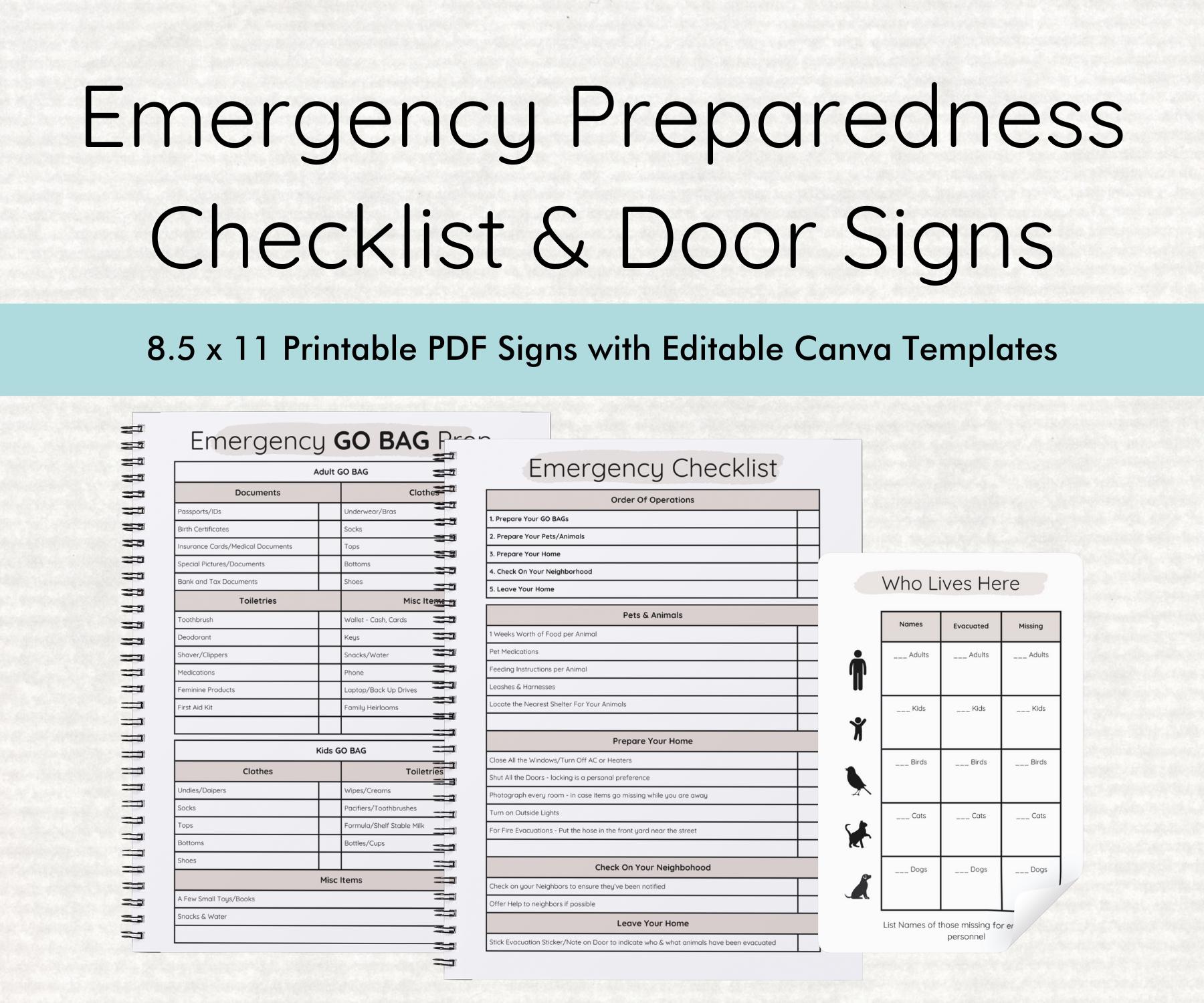
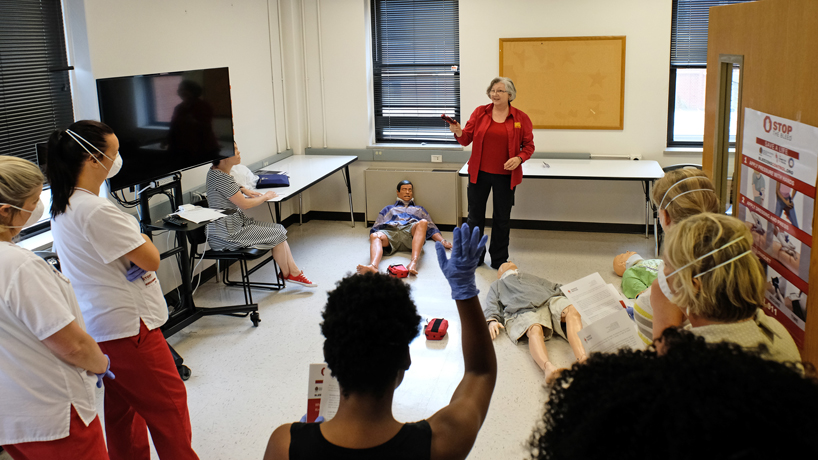
From here, I’ll be sharing:
- Practical tools
- Real-world strategies
- Training and education
- Resources you can actually use
👉 Because preparedness should be accessible, not overwhelming
If You Want to Take the Next Step
Start simple:
- Review what you have
- Identify one gap
- Make one improvement
Or 👉 Follow along at Adventures with Nurse Jamla (where I break this down into real, usable steps)
Final Thought