


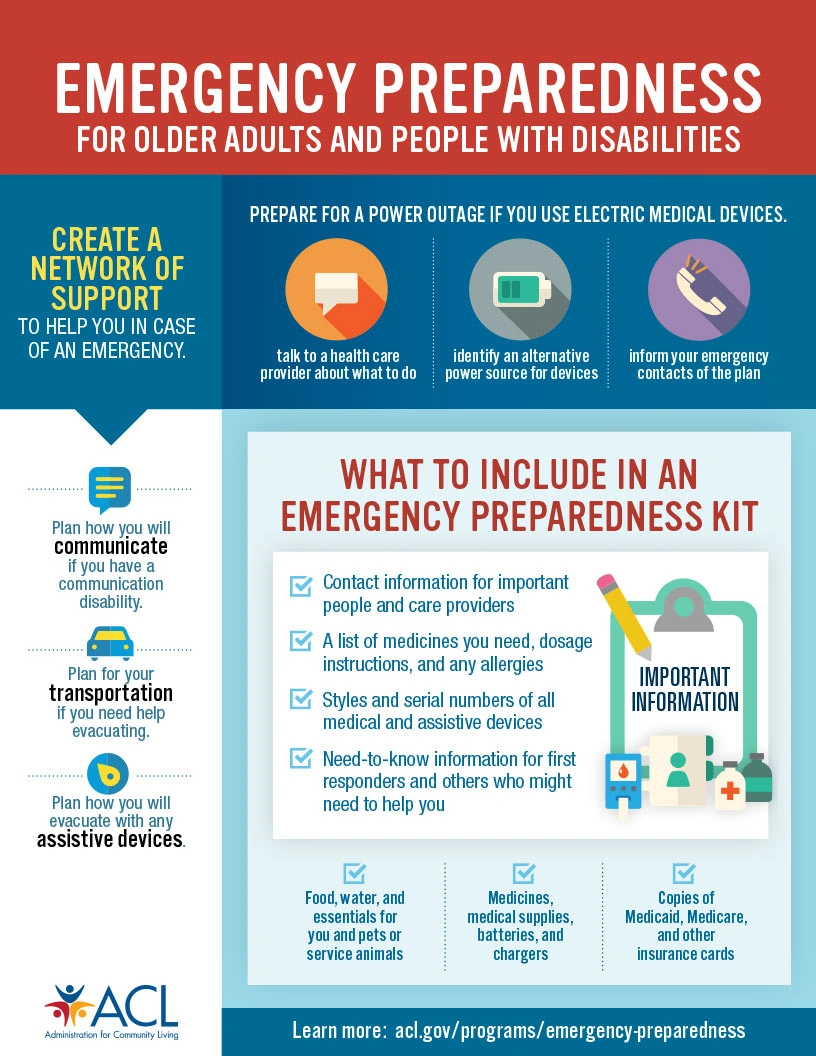


Disasters don’t affect everyone equally. They never have, and they never will. Because long before a crisis begins👉 Vulnerability already exists
Who is Most at Risk
In any disaster, the same groups are disproportionately impacted:
- Older adults
- Children
- People with chronic illnesses
- Individuals with disabilities
- Low-income communities
- Those with limited access to care
Not because they are less capable, but because systems are not built with them in mind.
What Makes a Population “Vulnerable”
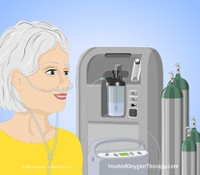
It’s not just about health. It’s about access:
- Access to transportation
- Access to information
- Access to medical care
- Access to resources
When those systems are strained-👉 Gaps widen quickly
What This Looks Like in Real Life
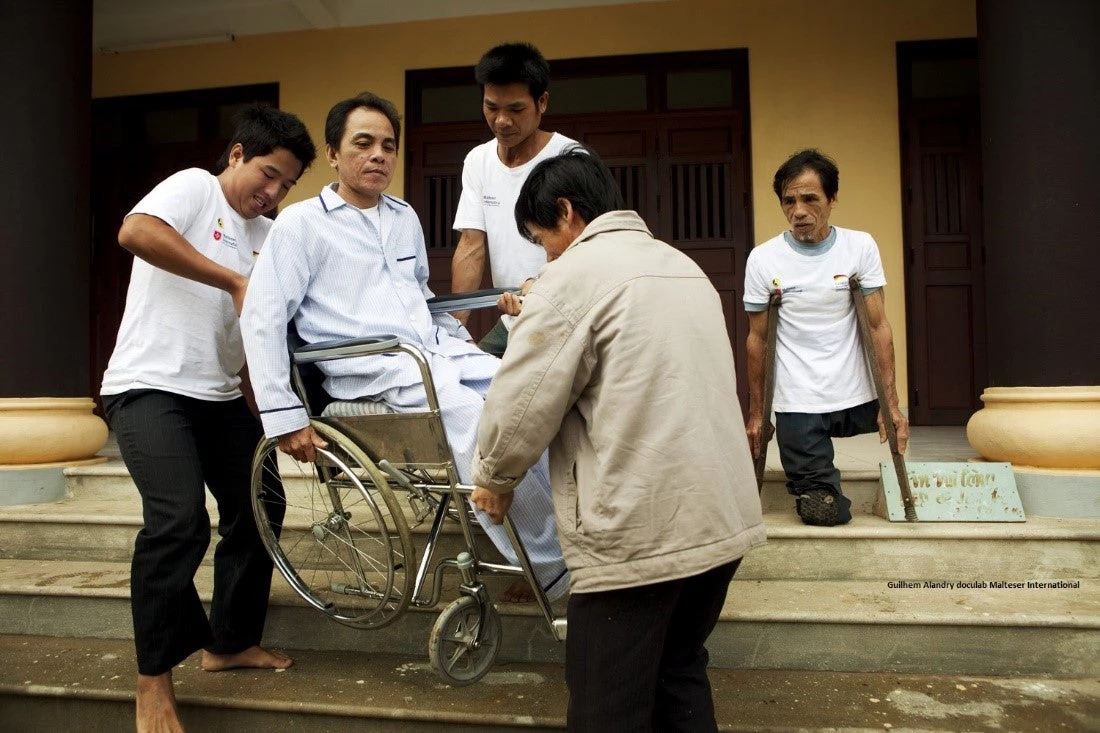
- The patient who can’t evacuate without assistance
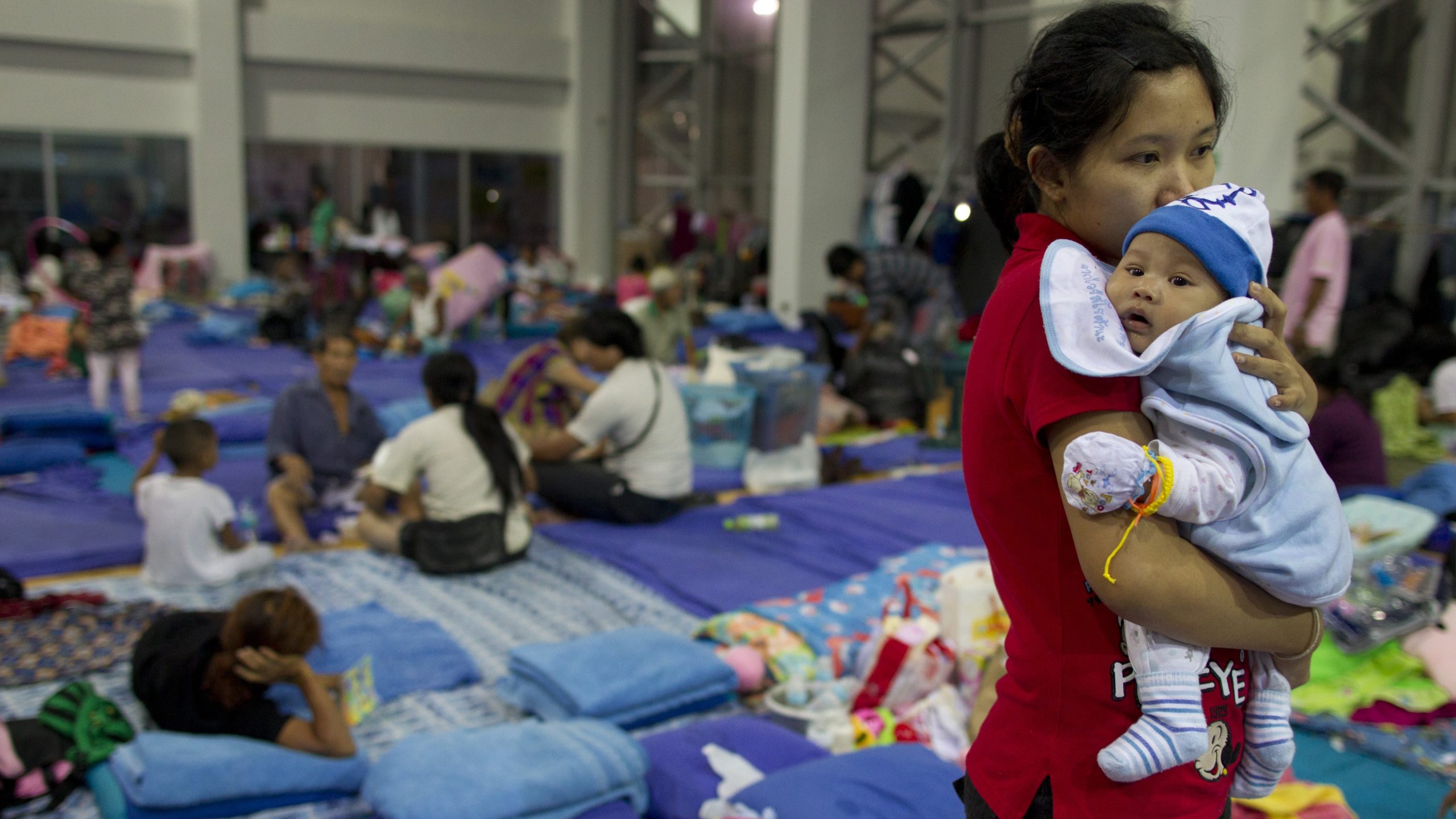
- The child who doesn’t understand what’s happening
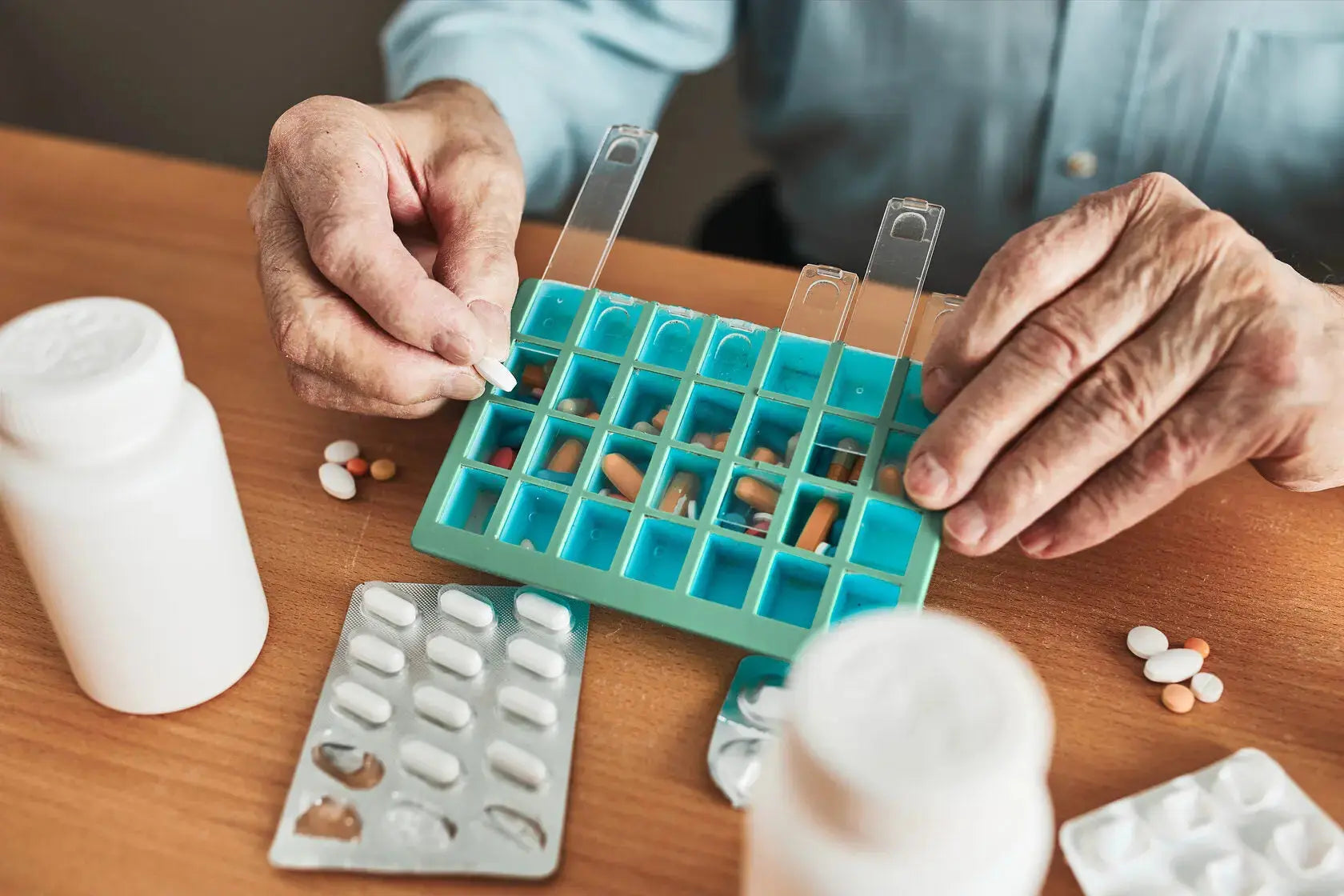
- The person who depends on daily medication to survive
- The family already living with limited resources
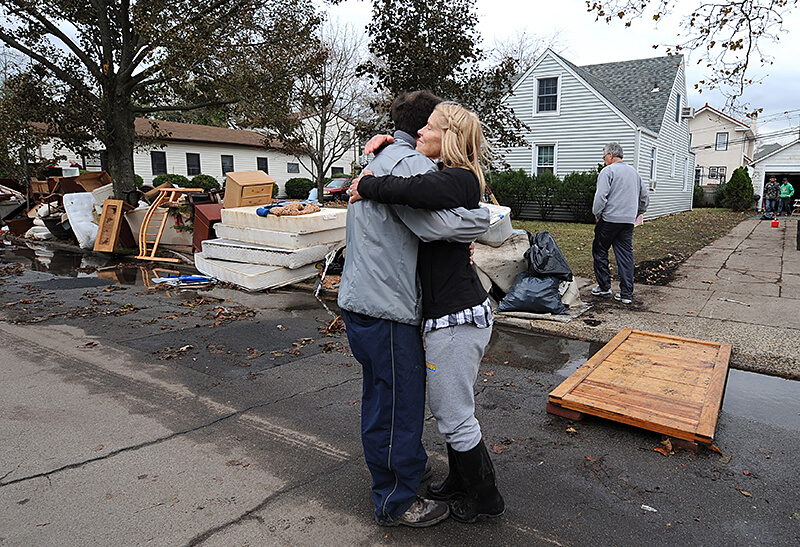
And in a crisis-👉 These challenges multiply
The Question We Should All Be Asking
Preparedness isn’t just personal. It’s collective.
👉 Who in your life would struggle if systems failed?
- A neighbor
- A family member
- A patient population you serve
Because resilience isn’t built alone.
What You Can Do Right Now
- Identify individuals who may need extra support
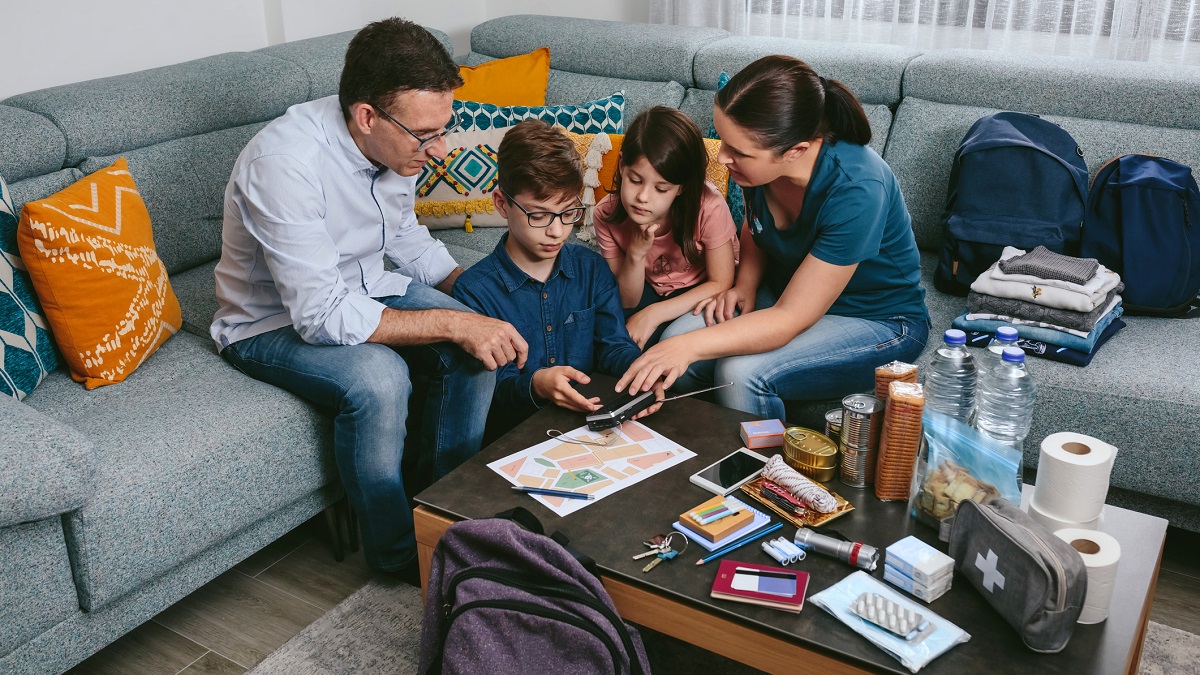
- Include them in preparedness planning
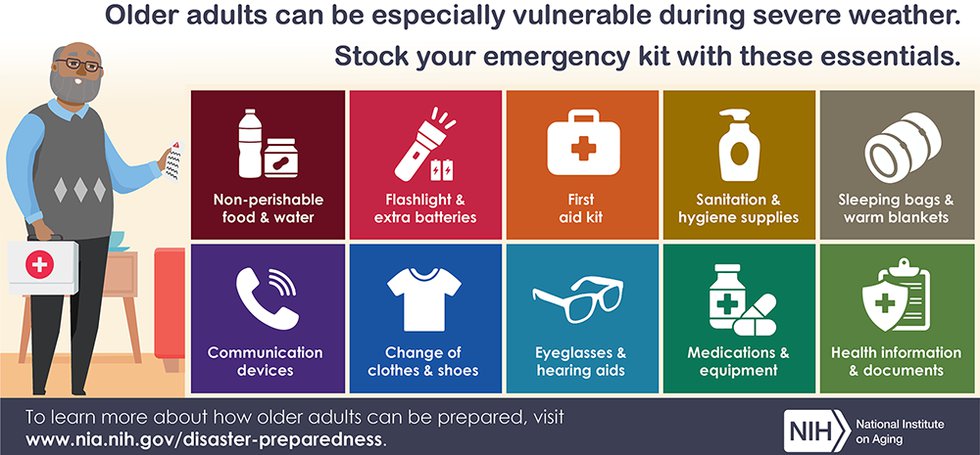
- Ensure access to medications and essential needs
- Create simple, clear communication plans
- Check in, before, and during a crisis
👉 Small actions create meaningful protection
A Shift in Perspective
Preparedness isn’t just about:
✔ What you have
✔ What you store
✔ What you can do
It’s also about:👉 Who you consider
Final Thought
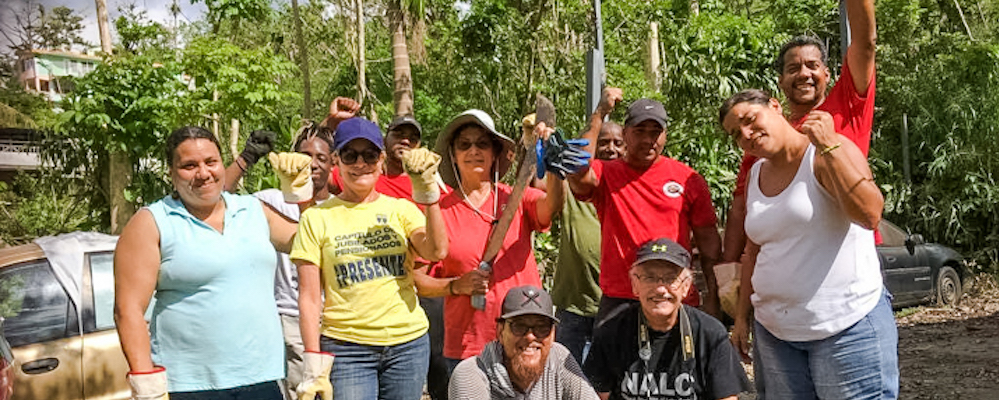
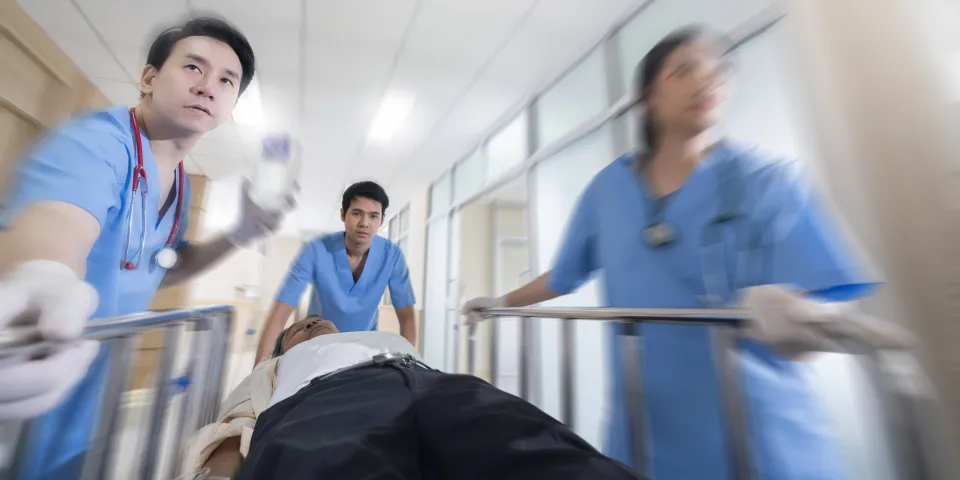
Disasters expose the cracks in our systems, but they also reveal something else👉 The power of community
And the strongest communities are the ones that prepare for everyone, not just themselves.