


When people think about preparedness, they imagine:
- Complex gear
- Expensive kits
- “Survival” equipment
And while those things can have a place: 👉 They’re not what saves lives first
What People THINK They Need
- Tactical gear
- Large survival kits
- Specialty equipment
- “All-in-one” solutions
It looks impressive. It feels like preparedness, but in most real-world situations?
👉 It’s not what gets used first
What Actually Saves Lives
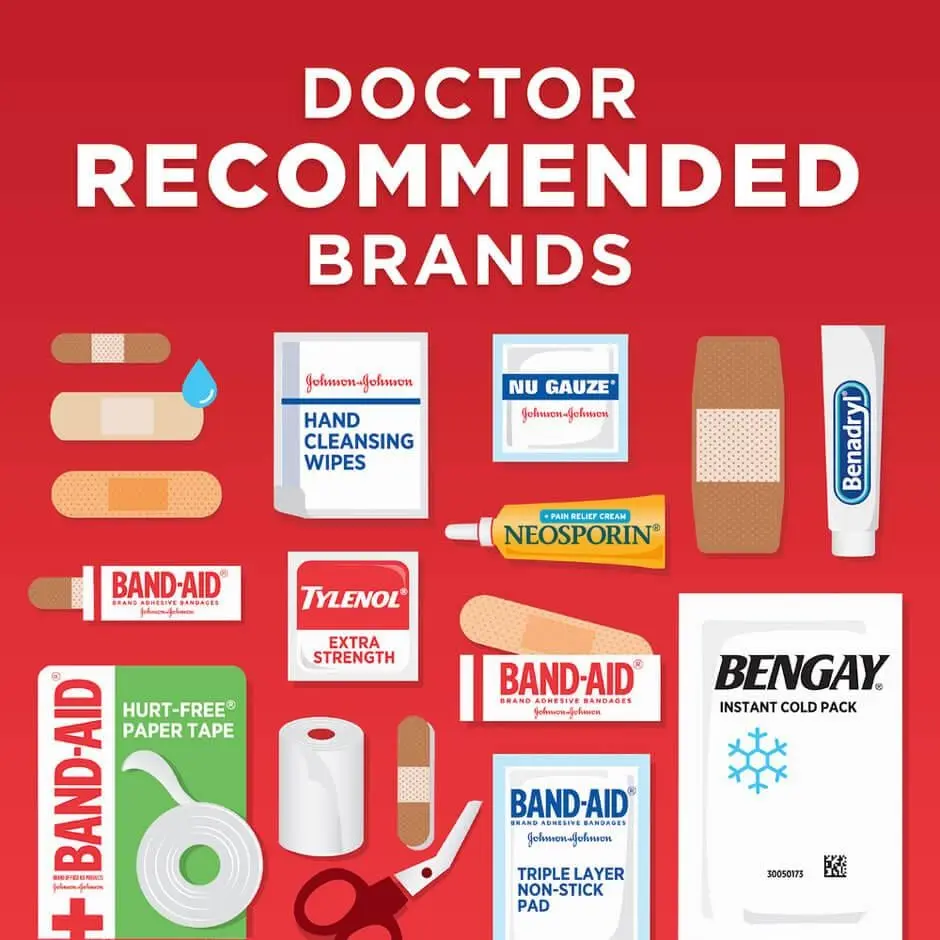
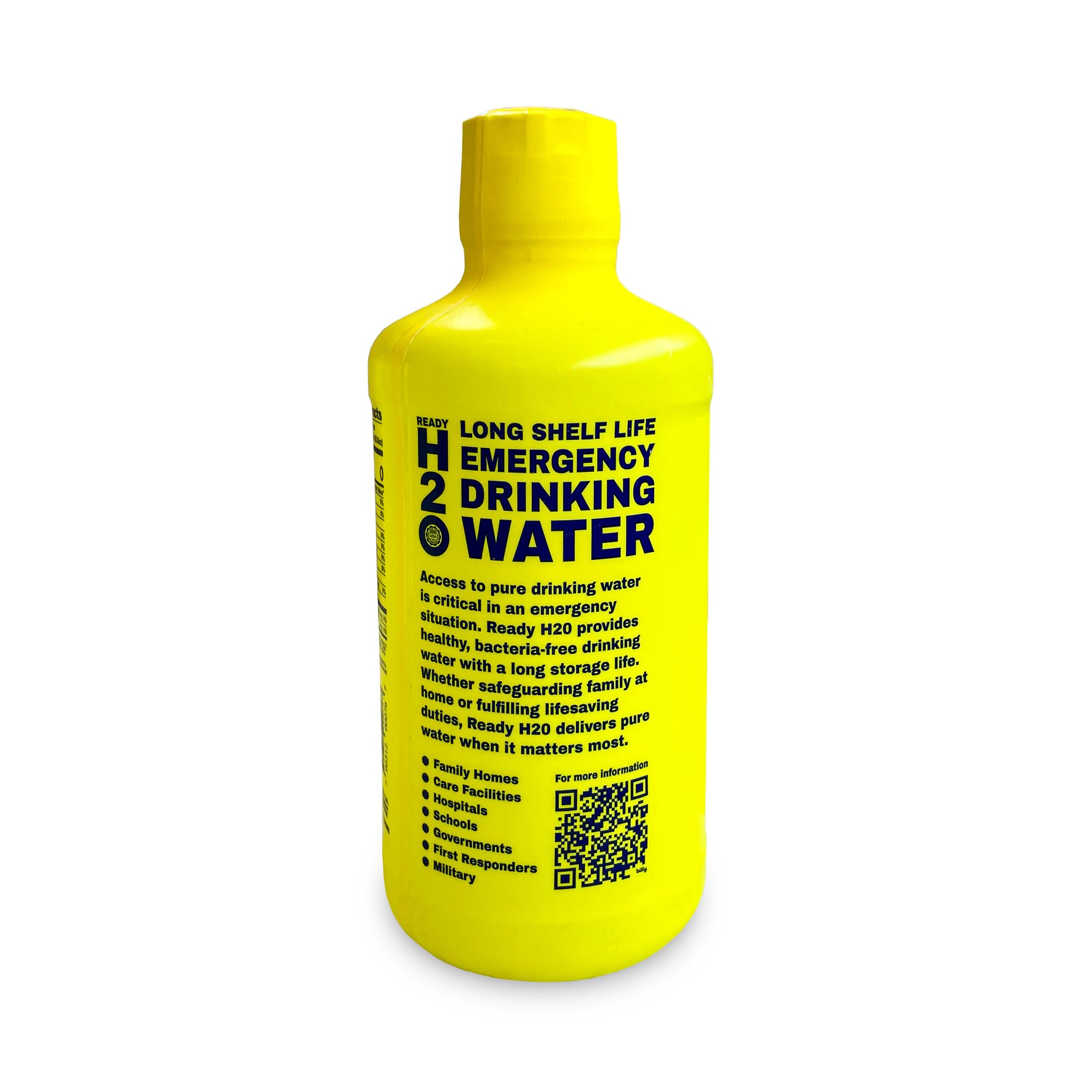
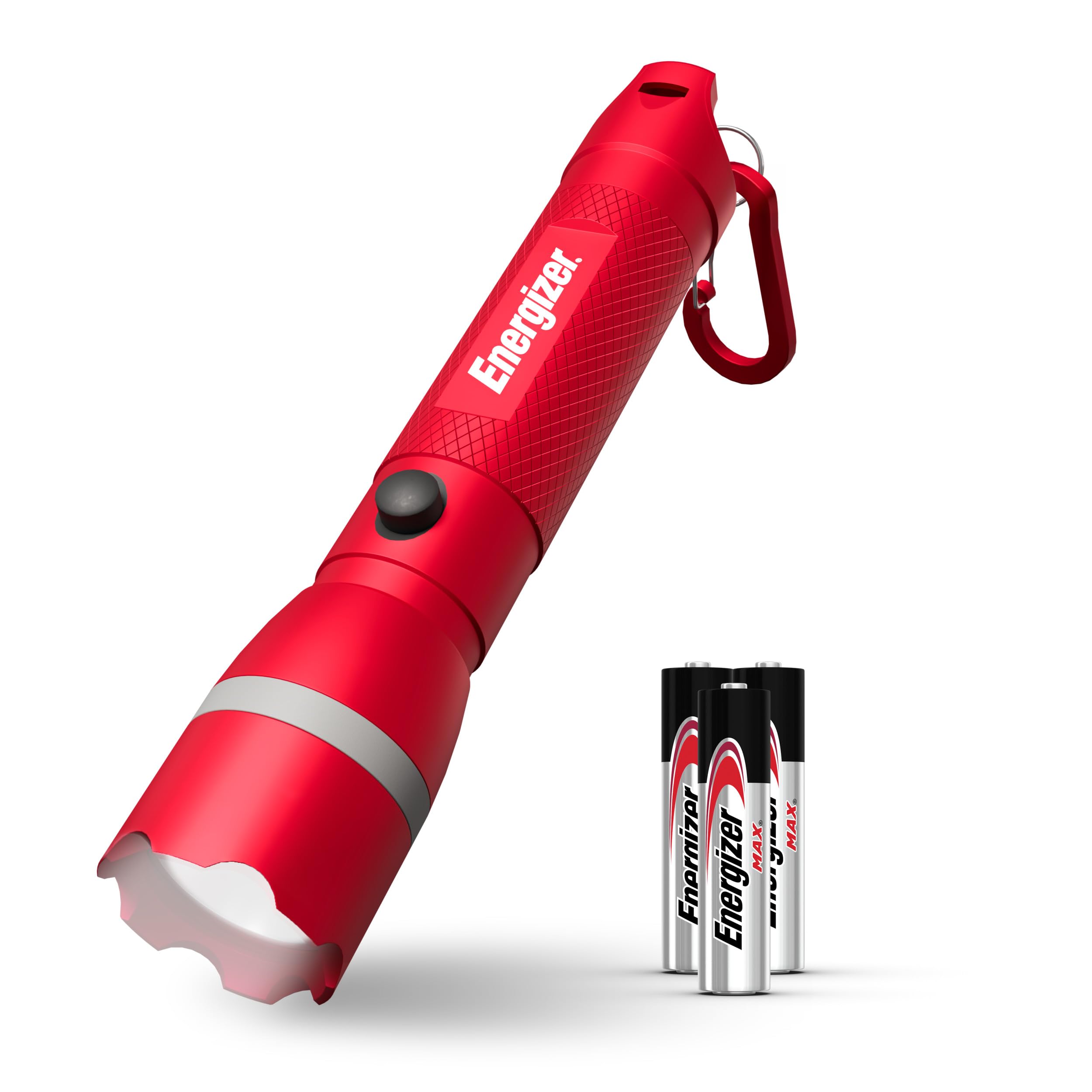
- Water
- Basic medical supplies
- Light (flashlight, batteries)
- Simple tools you know how to use
👉 Not complexity, functionality
Why This Gap Exists
Preparedness is often marketed as:
👉 More gear = more safety
But real-world response shows:
👉 Simplicity = speed
👉 Familiarity = action
And action?
👉 Is what changes outcomes
The Question to Ask Yourself
If something happened right now…
👉 Could you immediately use what you have?
👉 Or would you have to figure it out first?
Because under stress👉 You default to simple
What to Focus on Instead
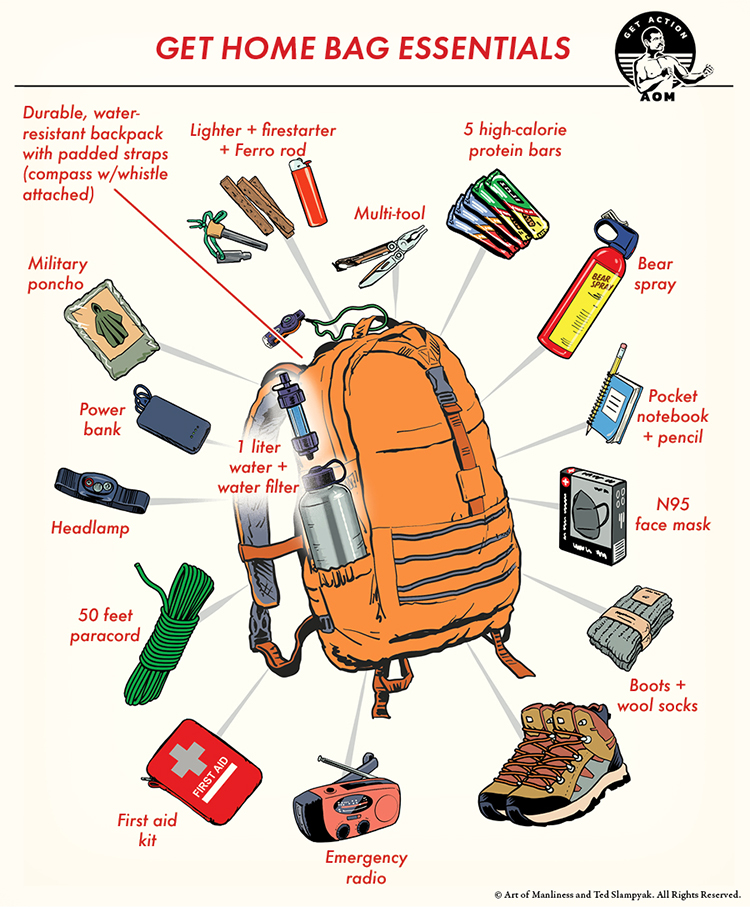
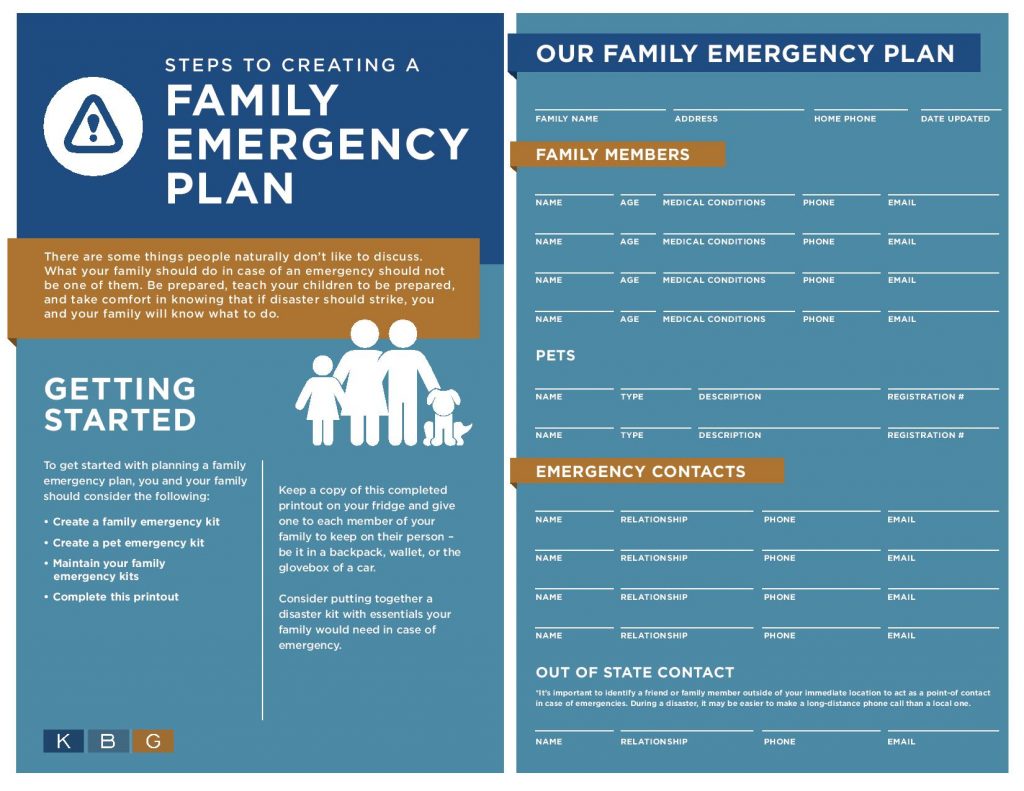
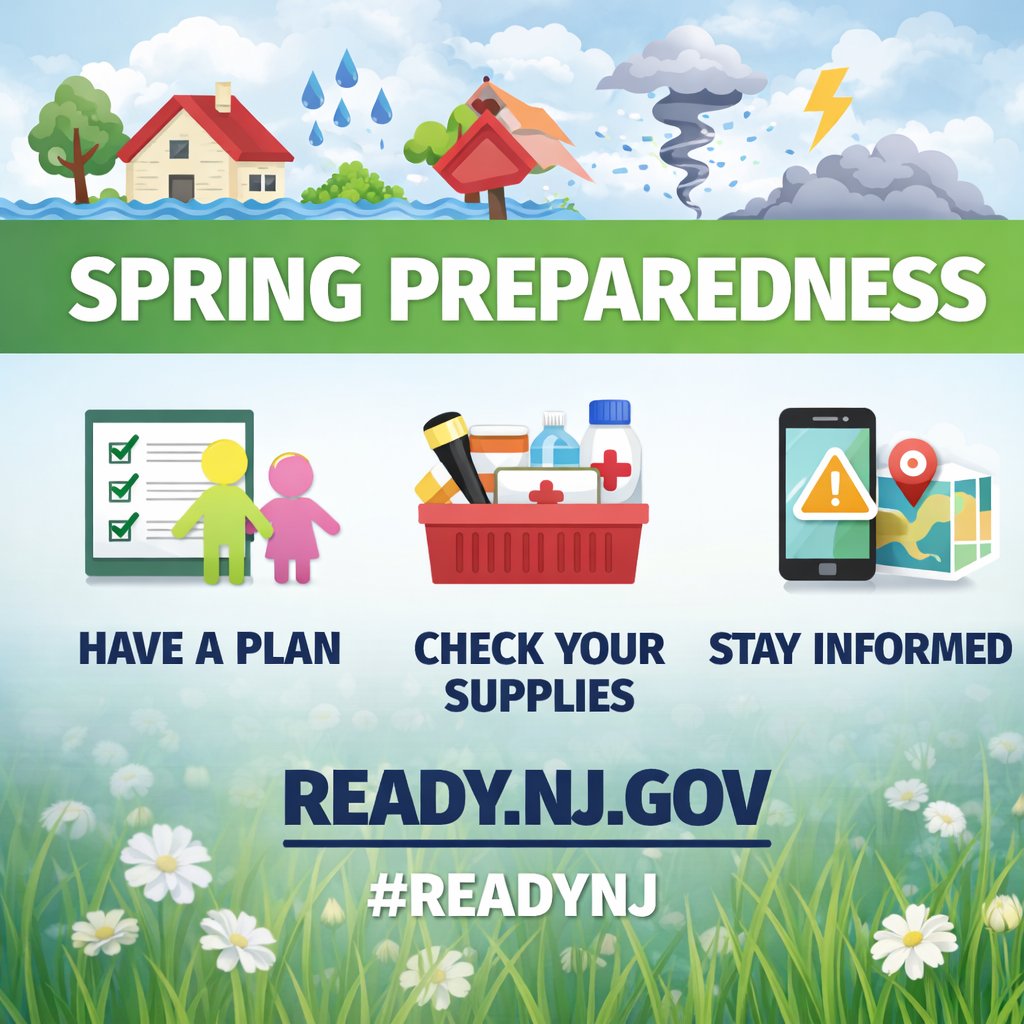
- Build a simple, reliable kit
- Choose tools you understand
- Avoid overcomplicating
- Prioritize accessibility over volume
👉 If it’s too complex, you won’t use it.
The Shift That Matters
Stop asking:👉 “Do I have everything?”
Start asking:👉 “Can I use what I have: quickly and effectively?”
That’s what saves lives.
Final Thought


It’s about needing less, and knowing exactly how to use it.