


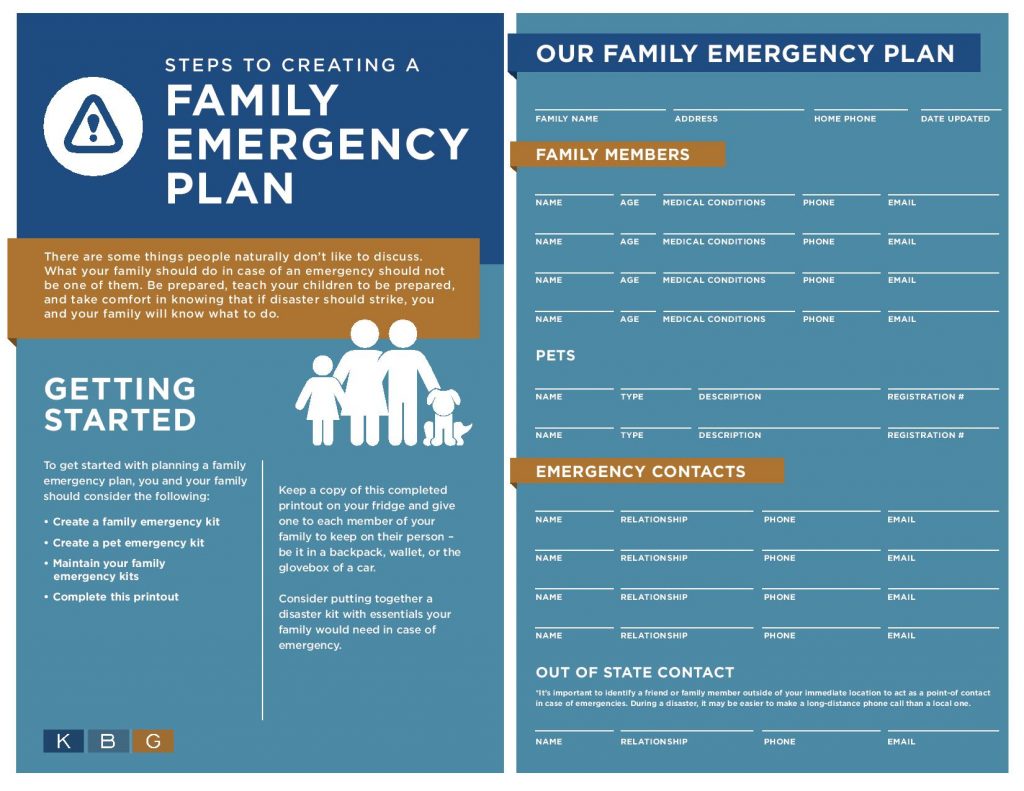
Most people have a plan.
At least in their head.
- “We’ll meet here”
- “We’ll call each other”
- “We’ll grab the kit and go”
And on paper?
👉 It sounds solid
Here’s the Problem
Plans that aren’t practiced—
👉 Fail under pressure
Not because they’re bad plans.
But because they’ve never been tested.
What Happens in Real Life


In a real situation:
- People forget steps
- Supplies aren’t where they thought
- Communication breaks down
- Timing doesn’t work the way you expected
And suddenly👉 The plan falls apart
Why Practice Changes Everything
Practice does three critical things:
- Reveals gaps
- Builds familiarity
- Reduces hesitation
Because when you’ve walked through something before, 👉 It’s no longer unfamiliar
The Question to Ask Yourself
If you had to act right now
👉 Would your plan flow?
👉 Or would you have to stop and figure it out?
How to Practice (Without Overcomplicating It)
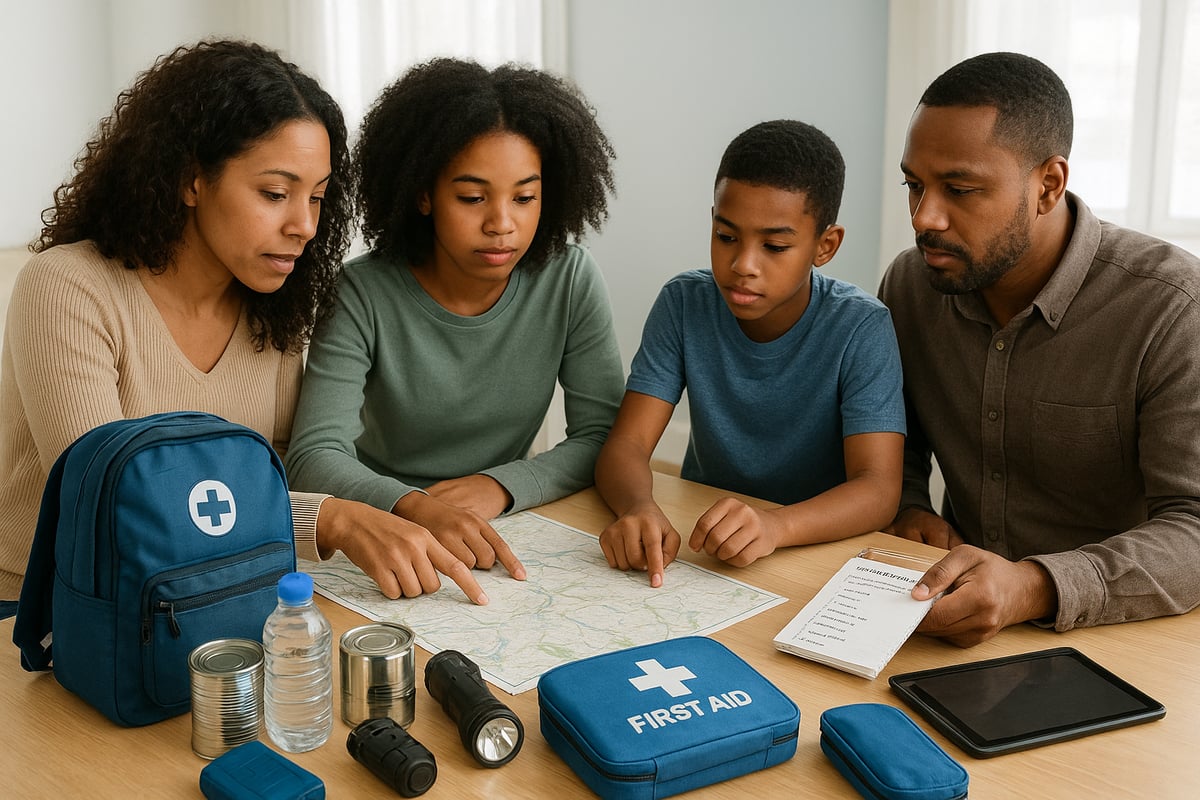


You don’t need full-scale drills.
Start small:
- Walk through your plan out loud
- Physically locate your supplies
- Time how long it takes to act
- Talk through “what if” scenarios
👉 Simple practice creates real readiness
What Most People Realize When They Practice
- “This isn’t where I thought it was”
- “This takes longer than expected”
- “We need a backup plan”
👉 That’s the point. Better to learn now, than in the moment.
The Shift That Matters
Preparedness isn’t:👉 Having a plan
It’s:👉 Having a plan that works
Final Thought


You don’t rise to the plan you made.👉 You rise to the plan you’ve practiced.
And the more familiar it becomes.👉 The more effective you’ll be when it matters most.