


When people prepare for emergencies, they think about food first.
Stockpiling. Canned goods. Calories, but in a real crisis?
👉 Water becomes the limiting resource fast, not days later, sometimes within hours.
Why Water Fails First
Water systems are more fragile than most people realize.
They depend on:
- Electricity
- Infrastructure integrity
- Pressure systems
- Treatment facilities
Disrupt any one of those-👉and clean water becomes unreliable
What Happens When Water Is Disrupted


You may still have water coming out of the tap, but that doesn’t mean it’s safe.
Common outcomes:
- Boil water advisories
- Low or inconsistent pressure
- Contamination risk
- Complete service interruption
And suddenly,👉 Every basic task becomes harder
- Drinking
- Cooking
- Hygiene
- Medication administration
The Reality Most People Miss
You can survive:
👉 Weeks without food
👉 Only days without water
And that timeline shortens quickly in:
- Heat
- Illness
- Injury
- High stress environments
The Question to Ask Yourself
If your water stopped right now, 👉 How long would you be okay?
Not uncomfortable, actually okay.
Start Here (Realistic Water Preparedness)
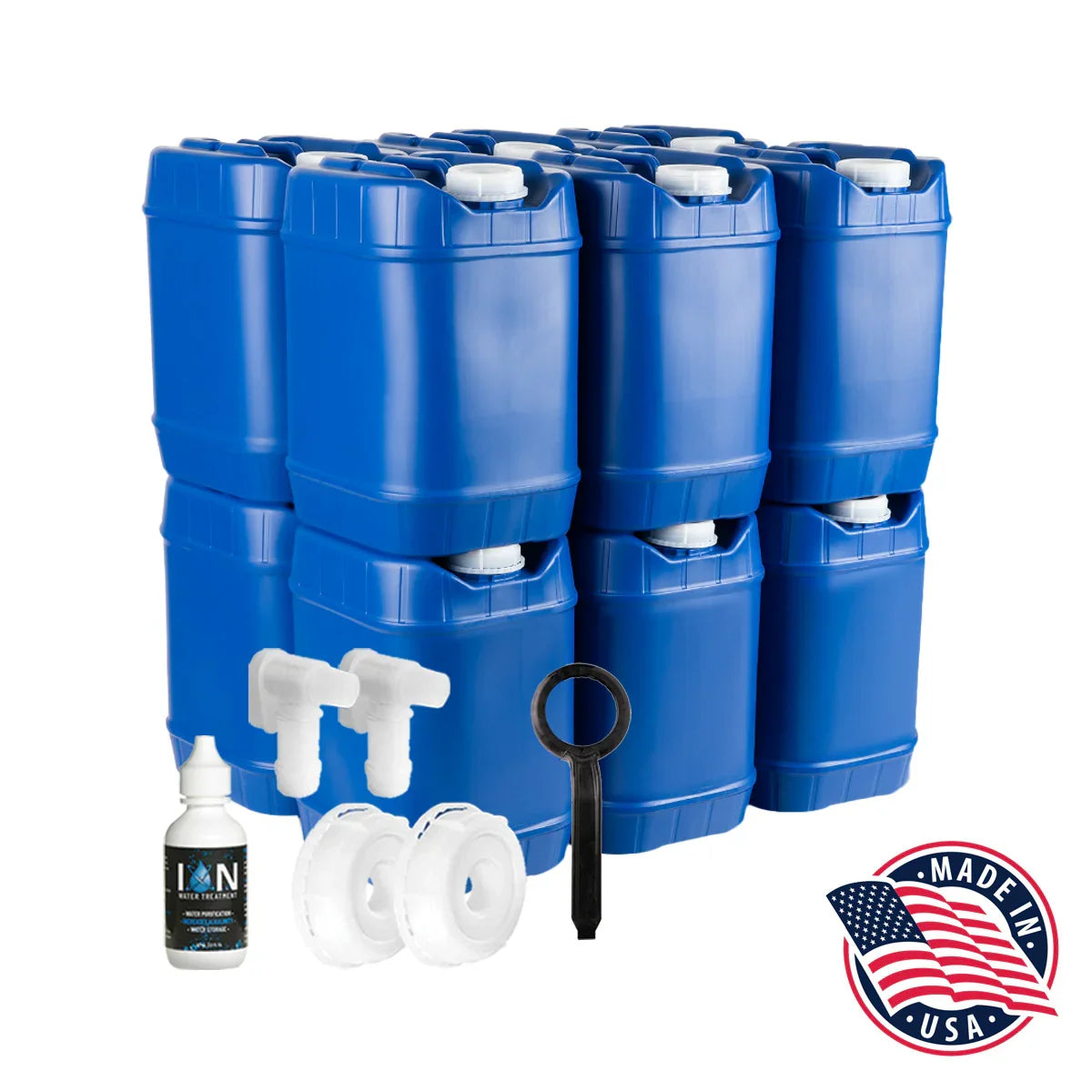
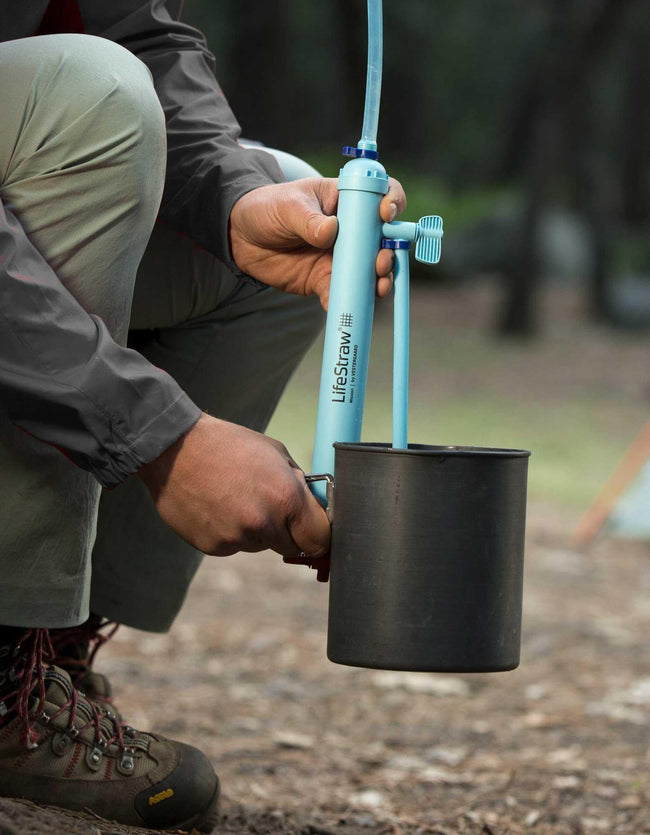

Minimum baseline:
- 1 gallon per person, per day
- At least 3 days (goal: 7 days)
Better:
- Stored water containers
- Water purification method:
- Filters
- Tablets
- Boiling capability
Often overlooked:
- Water for pets
- Water for hygiene
- Water for medical needs
Simple, High-Impact Actions
- Fill containers before a storm or event
- Keep a backup purification option
- Don’t rely on a single source
👉 Redundancy matters
Final Thought


In disasters, it’s rarely the dramatic things that get people first. It’s the basics, and water?👉 Is the most basic of all.