


Every time I see the orange glow of a wildfire stretch across the horizon on the news, I can’t help but think about the people, not just the firefighters on the line, but the families breathing that air, the elders waiting for evacuation buses, and the nurses in rural clinics trying to keep up with patients struggling to breathe.

We often talk about wildfires as “natural disasters,” but there’s nothing natural about what’s happening now. According to The Guardian, global wildfire-related carbon emissions have surged 9% in the last year, fueled by hotter temperatures, drier landscapes, and a rapidly changing climate. These aren’t isolated incidents; they are becoming the new normal.

From the Amazon to Canada to the plains of Africa, forests that once gave us life are burning at unprecedented rates. These infernos don’t just destroy homes and habitats, they release massive amounts of carbon back into the atmosphere, undoing years of environmental progress. Every acre burned pushes us further into a feedback loop of destruction: hotter climates spark more fires, which in turn make the planet even hotter.
But beyond the science, there’s a human side we can’t ignore.
The Hidden Health Toll
During my deployments and disaster responses, I’ve seen firsthand how smoke doesn’t respect borders. Tiny particulates travel hundreds of miles, worsening asthma in children, triggering cardiac events in older adults, and leaving millions exposed to toxic air. Emergency departments swell with patients who never even saw a flame, yet their lungs tell another story.
Wildfires also create secondary disasters: contaminated water systems, power outages, and the displacement of entire communities. The aftermath can last years, especially for those with pre-existing health conditions or limited access to care.

The Cost We Don’t Count
The economic impact is staggering. China alone has reported over $30 billion in disaster losses this year, much of it tied to climate-related events. Yet the true cost of wildfires, the trauma, the loss of community, the long-term health effects, can’t be captured in numbers.
As a nurse, I see the ripple effect. Families forced to relocate, children developing chronic respiratory problems, and responders returning home with invisible wounds. Disasters don’t end when the flames are out. Recovery is slow, layered, and deeply personal.
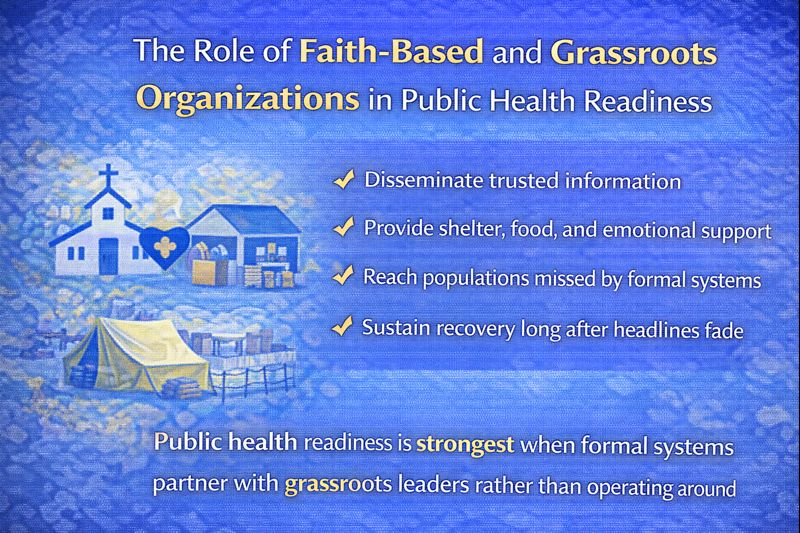
We All Have a Role
Wildfires remind us that preparedness is no longer optional, it’s a necessity. Communities must invest in early warning systems, climate-adaptive infrastructure, and public education on respiratory protection. Health systems must strengthen surge capacity, and we, as individuals, must do our part to reduce fire risk and carbon emissions.
In disaster nursing, we often say: mitigation is medicine. Every preventive action, from creating defensible space around a home to advocating for clean air policies, saves lives.
My Call to You
If you live in an area prone to wildfires, now is the time to prepare. Review evacuation routes, assemble go-bags, and check on vulnerable neighbors. If you live far from the flames, advocate for the policies that keep us all safer, environmental protections, emergency funding, and equitable recovery programs.
Because when the world burns, it’s not just trees that fall, it’s the lungs that breathe, the homes that shelter, and the hearts that heal.
Tomorrow, another fire will light somewhere, but maybe, together, we can stop pretending it’s normal.
For more information, check out the following:
CO₂ from wildfires increases by 9% as climate crisis supercharges infernos — The Guardian (2025)
China reports $30.5 billion in economic losses from natural disasters so far in 2025 — Reuters
Oxfam: Five Natural Disasters That Demand Climate Action
#adventureswithnursejaml