
We often talk about extreme heat as a public health emergency.
We talk about heat exhaustion and heat stroke. We remind people to hydrate, check on older adults, avoid strenuous activity during the hottest part of the day, and seek out air conditioning.
But there is another part of the extreme heat conversation that deserves much more attention:
What happens when the heat begins affecting the infrastructure we depend on to keep people safe?
That is exactly what we are seeing in parts of Europe.
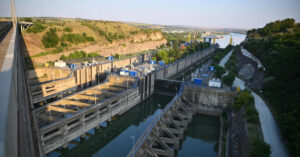
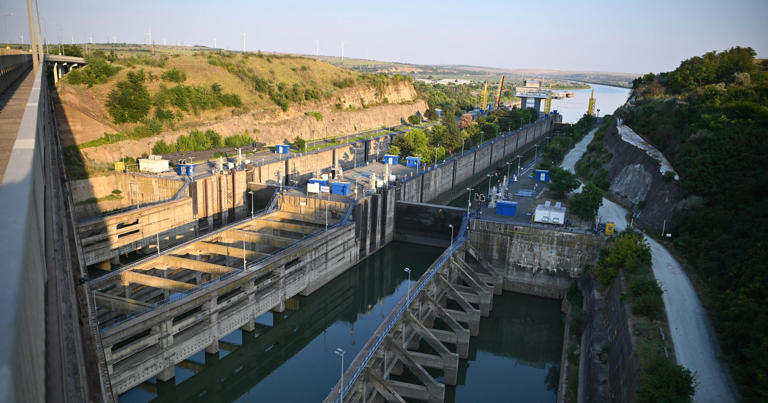
Extreme heat and drought have pushed river levels down and water temperatures up, creating problems for nuclear power plants that depend on those waterways for cooling. In Romania, record-low levels on the Danube forced the shutdown of the country’s remaining operational nuclear reactor. Hungary’s Paks nuclear plant has also been operating at dramatically reduced capacity because of conditions on the Danube. France has reduced or halted production at multiple reactors as high river temperatures and low water levels interfere with cooling and environmental discharge requirements.
Think about that for a moment.
During extreme heat, electricity demand can increase because millions of people are trying to cool their homes, businesses, hospitals, nursing homes, schools, and other facilities.
At the same time, the heat and drought can reduce the ability of some power plants to produce that electricity.
That is the kind of cascading problem we need to think about in disaster preparedness.
Disasters Do Not Happen in Isolation
One of the biggest lessons I have learned from working in emergency care, disaster response, public health, and preparedness is that we cannot look at hazards individually.
Extreme heat is not simply a weather problem.
It can become:
Heat → Drought → Low water levels → Reduced power generation → Increased strain on the electrical grid → Potential outages → Greater health risks
And those consequences do not affect everyone equally.
Imagine a prolonged power outage during a major heatwave.
What happens to the older adult living alone on the seventh floor of an apartment building?
What happens to someone who depends on electrically powered medical equipment?
What happens when elevators stop working?
What happens to medications that require refrigeration?
What happens to dialysis centers, long-term care facilities, hospitals, pharmacies, grocery stores, water systems, communications systems, and emergency services?
And what happens when all of those systems are stressed at the same time?
That is where a weather emergency becomes a public health emergency—and potentially a disaster.
The Cooling-Water Problem
Nuclear power plants generate enormous amounts of heat and require reliable cooling systems. Many facilities use water from nearby rivers, lakes, or oceans as part of that process.
During prolonged drought, there may simply be less water available.
During extreme heat, the available water may already be unusually warm. Plants can also face environmental restrictions on how much additional heat they can discharge back into waterways because excessively warm water can damage aquatic ecosystems.
This is not merely theoretical. Research published in 2026 examining nuclear facilities in Canada, the United States, and France found that climate extremes have already contributed to operational interruptions, including shutdowns associated with high temperatures and reduced water availability.
Importantly, this does not mean nuclear power suddenly becomes unsafe whenever temperatures rise, nor does it mean nuclear energy cannot remain part of a resilient energy system. Newer research suggests many of these vulnerabilities can be reduced through measures such as alternative cooling technologies, hybrid cooling systems, climate-informed siting, and infrastructure adaptation.
That distinction matters.
This isn’t about creating fear.
It is about recognizing vulnerability and planning for it.
Preparedness Has to Catch Up With the Climate
We spend a great deal of time preparing communities for what disasters have looked like historically.
We also need to prepare for what they are becoming.
Our emergency plans need to consider prolonged heat combined with drought, energy shortages, infrastructure failures, increased healthcare demand, water limitations, transportation disruptions, and other cascading consequences.
Hospitals and healthcare systems should be asking whether backup power can sustain critical operations during prolonged extreme heat—not simply for several hours.
Emergency managers should be identifying populations who would be most vulnerable if cooling centers themselves lose power or transportation becomes difficult.
Communities should understand that personal preparedness for extreme heat includes thinking about what they would do if electricity were unavailable.
And policymakers and infrastructure leaders need to incorporate changing environmental conditions into long-term resilience planning.
This Is What Resilience Really Means
Preparedness isn’t predicting exactly what the next disaster will be.
It is building systems capable of continuing to function when conditions are no longer normal.
The situation unfolding in Europe should be a reminder to all of us that infrastructure resilience and public health resilience are deeply connected.
When rivers run low, power plants can be affected.
When power generation is affected, communities can be affected.
And when communities lose access to electricity during extreme heat, the consequences can quickly become a healthcare problem.
The question isn’t simply whether our infrastructure works today.
The question we should be asking is:
Will it continue to work under the conditions we are increasingly likely to face tomorrow?
That is the conversation we need to be having about preparedness.
Source/Recommended Reading:
It’s Getting So Hot That Nuclear Plants Are Being Forced to Power Down — MSN