


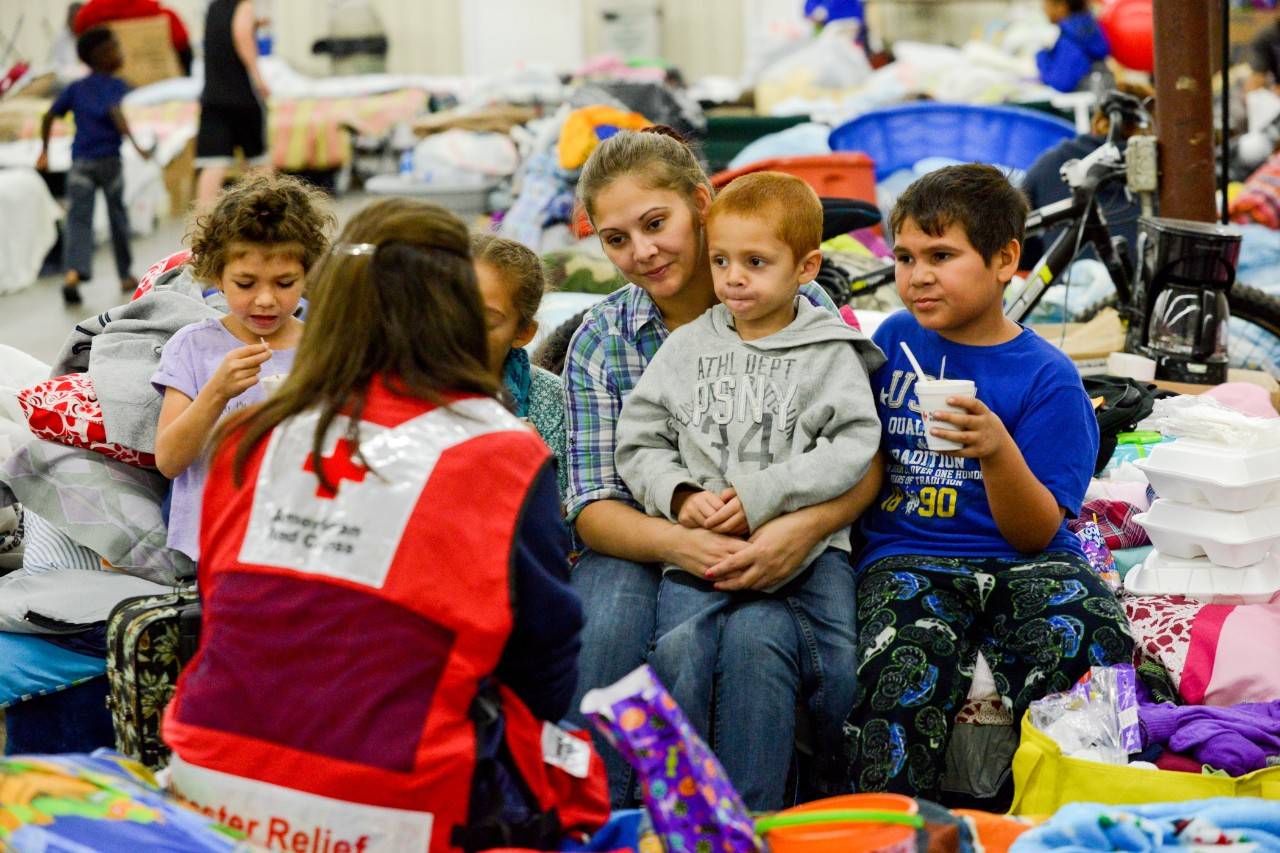
Children see disasters differently. Their world is smaller, so when it shatters, the pieces are harder to pick up. I’ve sat with children who couldn’t sleep because the wind reminded them of the storm, who wouldn’t play because their toys were gone, or who clung to responders as if safety itself wore a uniform.
Recovery for children isn’t just rebuilding schools, it’s rebuilding trust. It’s creating safe spaces to talk, to draw, to play again. Play is therapy. Routine is medicine.
In pediatric disaster care, we also learn humility. Kids notice everything, how we speak, how we comfort, how we carry hope. They mirror our calm or our fear. That’s why trauma-informed, age-appropriate communication is so vital.
Call to Action: Check in with the children around you. Ask how they’re feeling about recent events, even if none seem “disastrous.” Building emotional resilience before crisis builds lifelong coping skills.
National Pediatric Disaster Coalition • EIIC
Disaster recovery: how to support your child | Raising Children
Lessons in Resilience and Recovery After Natural Disasters
Become a CLDR Responder – Child Life Disaster Relief
Children and Disasters | SAMHSA
Supporting children and families during disasters – Emerging Minds
9 ways to support kids during a natural disaster — Calm Blog
What Happened to My World? Helping Children Cope With Crisis, Trauma, and Stress | Bright Horizons®
*Simplified Language: Supporting Little Ones Following Big Emergencies or Disasters
Before, During, and After An Emergency | Children & School Preparedness | CDC
#adventureswithnursejamla