


 There’s a hard truth most people don’t want to hear: 👉 In a real disaster, the hospital will not take you first.
Not because they don’t care, but because they can’t.
What Triage Actually Means
In everyday healthcare, we treat based on order of arrival + clinical need.
In disaster scenarios?
👉 Everything changes.
Triage becomes about:
- Who can be saved
- Who needs immediate intervention
- Who can wait
- Who is unlikely to survive with available resources
This is not routine care. This is resource-based medicine.
How Patients Are Prioritized
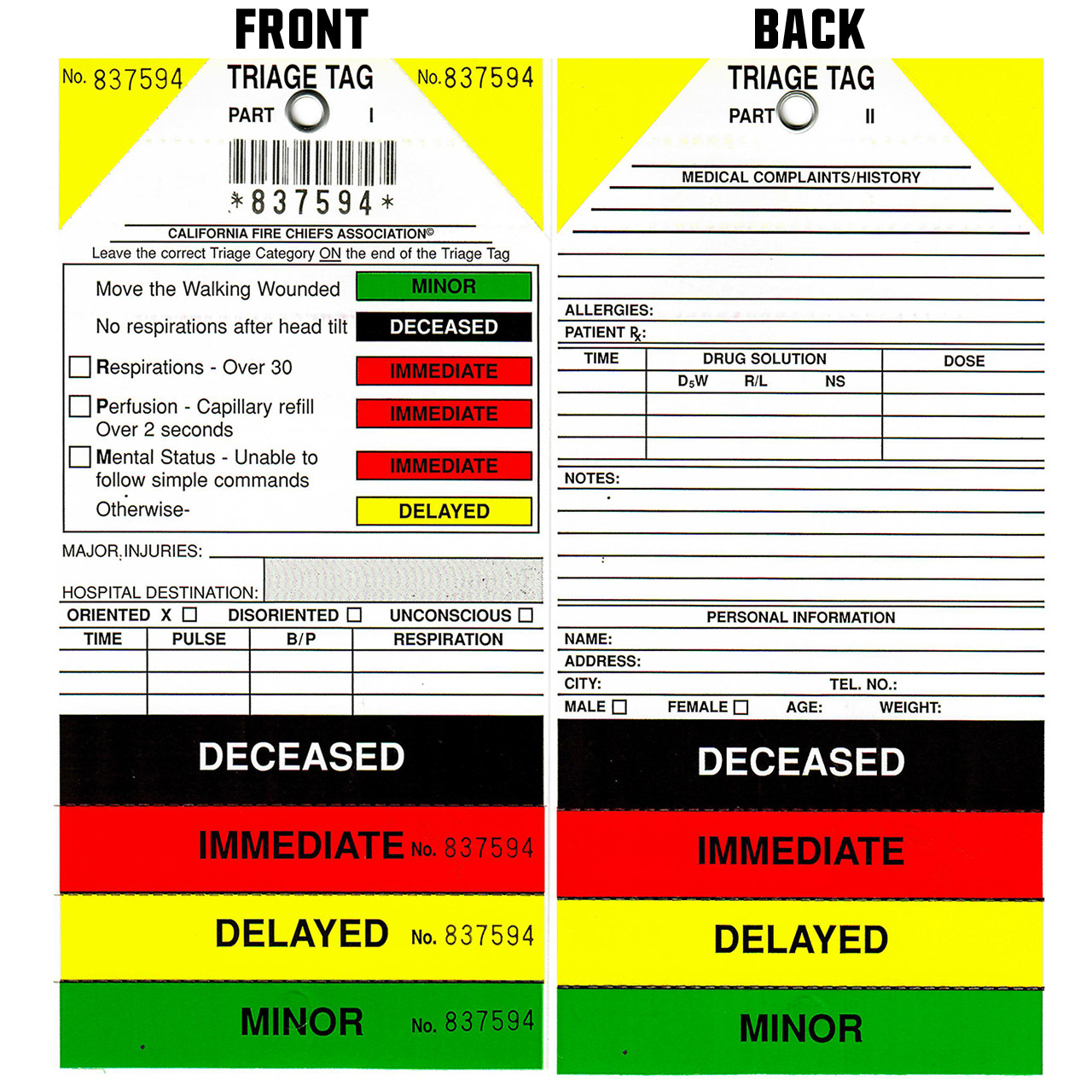
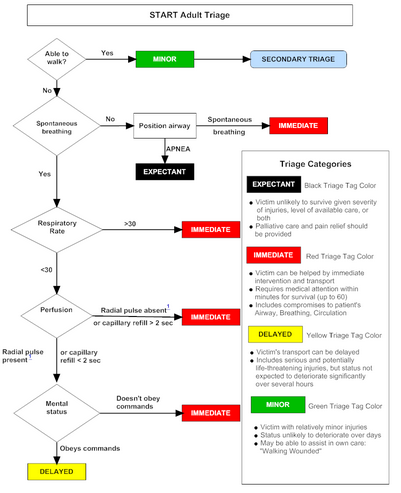

Most systems follow a color-based approach:
- 🔴 Red (Immediate): Life-threatening but treatable
- 🟡 Yellow (Delayed): Serious, but can wait
- 🟢 Green (Minor): Walking wounded
- ⚫ Black (Expectant/Deceased): Limited chance of survival given resources
👉 This is the part people struggle with. Because it means: Not everyone gets treated right away.
What This Looks Like in Real Life
- The loudest patient is not always the sickest
- The person who arrived first may wait
- Care is directed where it will save the most lives
And sometimes, 👉 People who would survive in normal conditions may not in a disaster
The Question You Need to Ask Yourself
If you were injured, but not critical,
👉 Could you wait hours for care?
👉 Could you manage basic needs on your own?
Because in a true surge event👉 You might have to.
What You Can Do Now
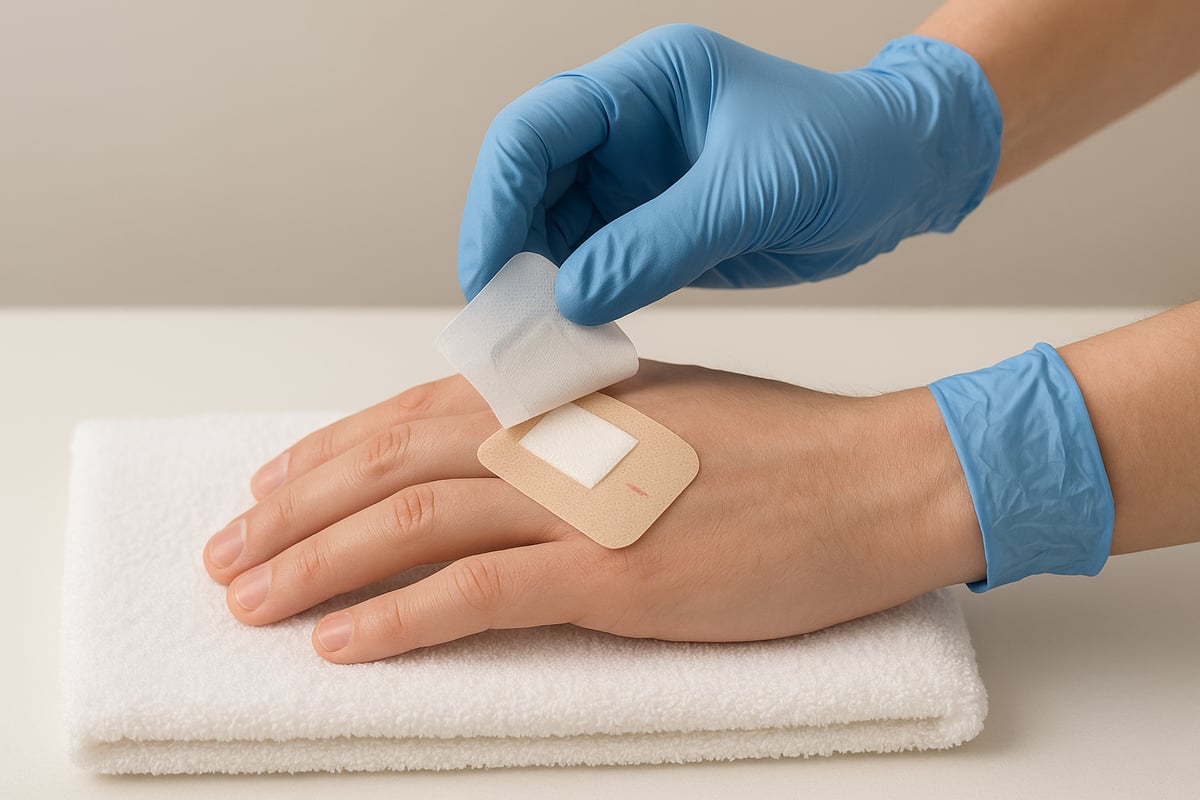
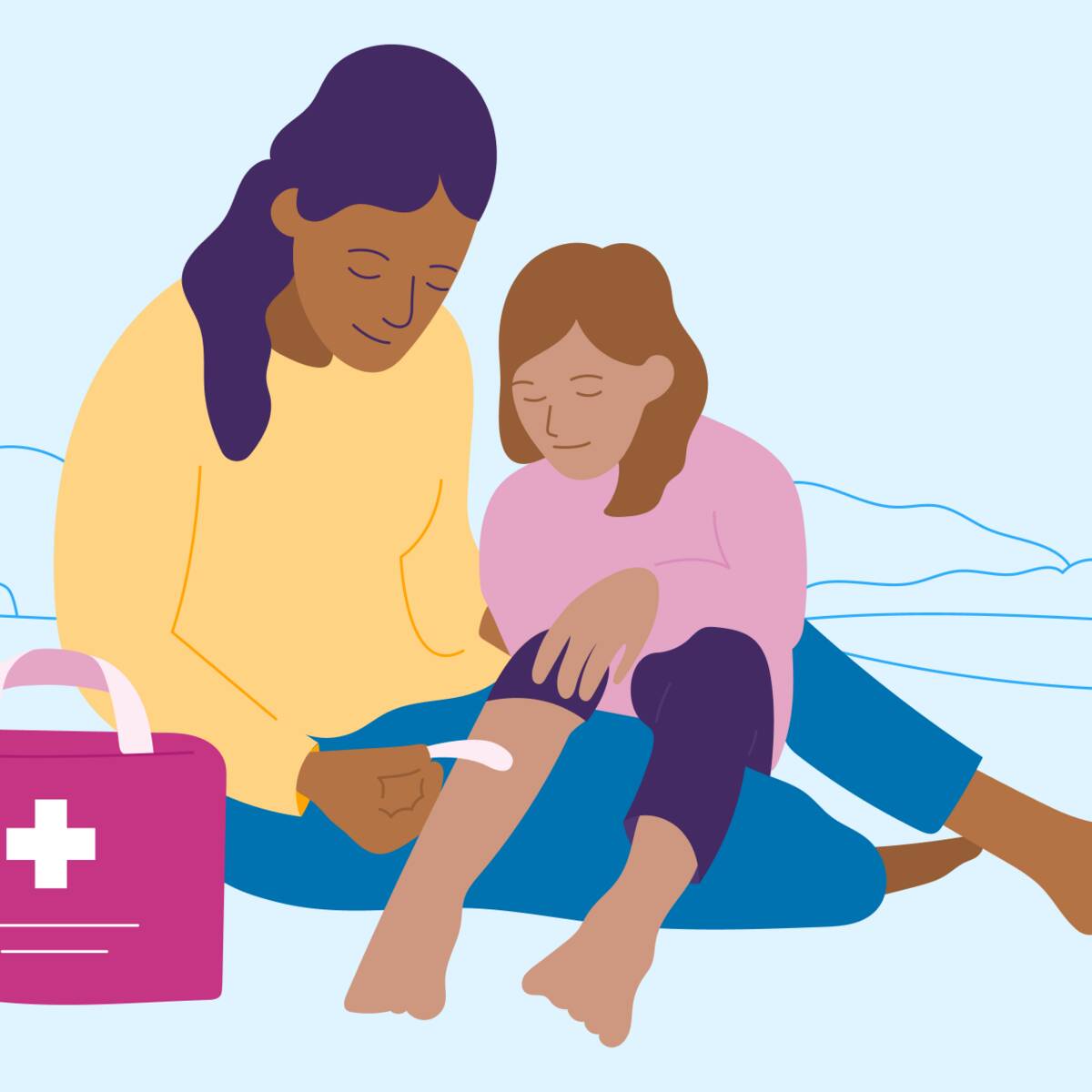
- Learn basic first aid
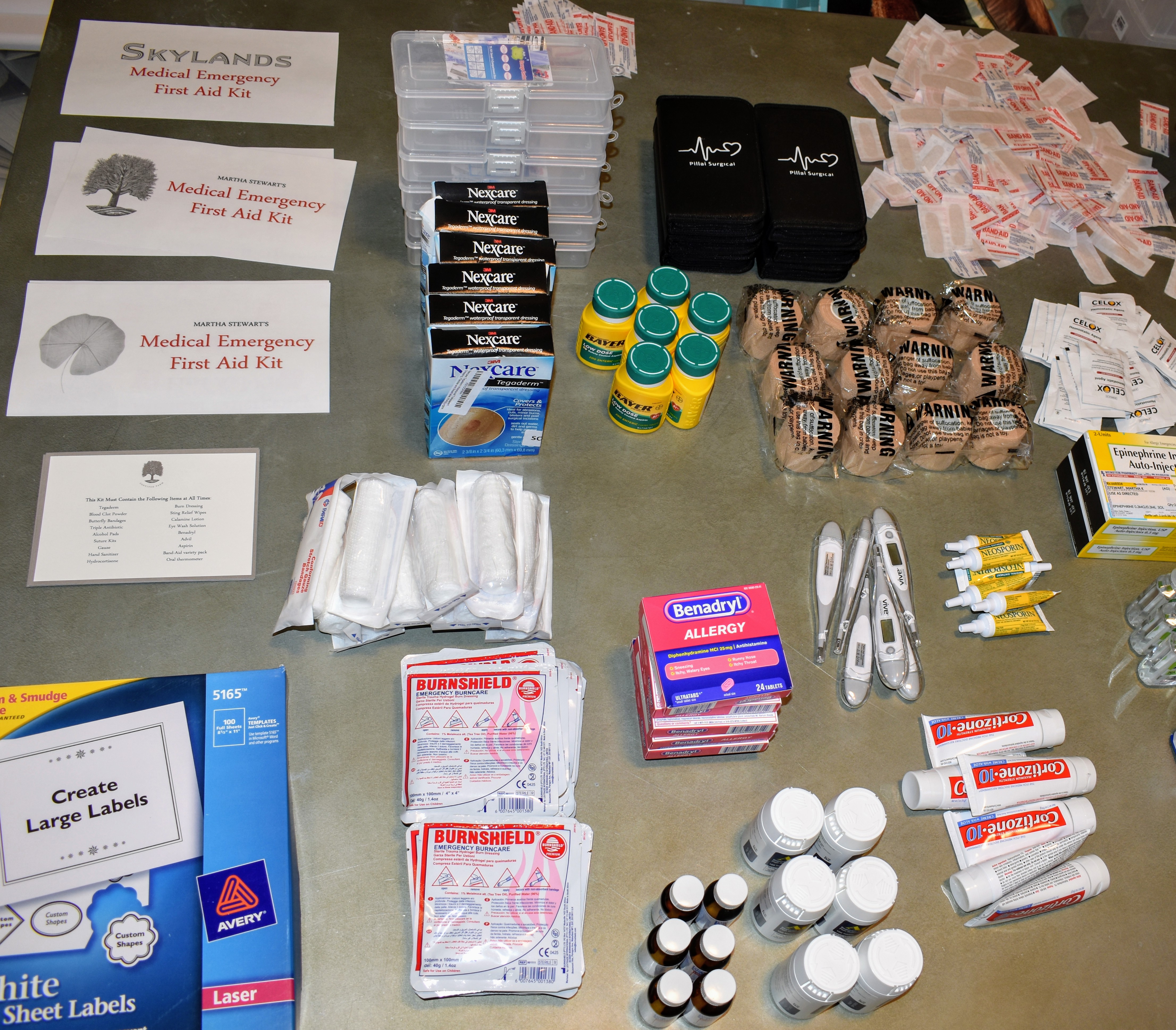
- Keep a well-stocked kit at home and in your car
- Understand when something is truly an emergency
- Be prepared to self-manage minor injuries
This isn’t about replacing the healthcare system, it’s about supporting it, when it’s overwhelmed.
Final Thought


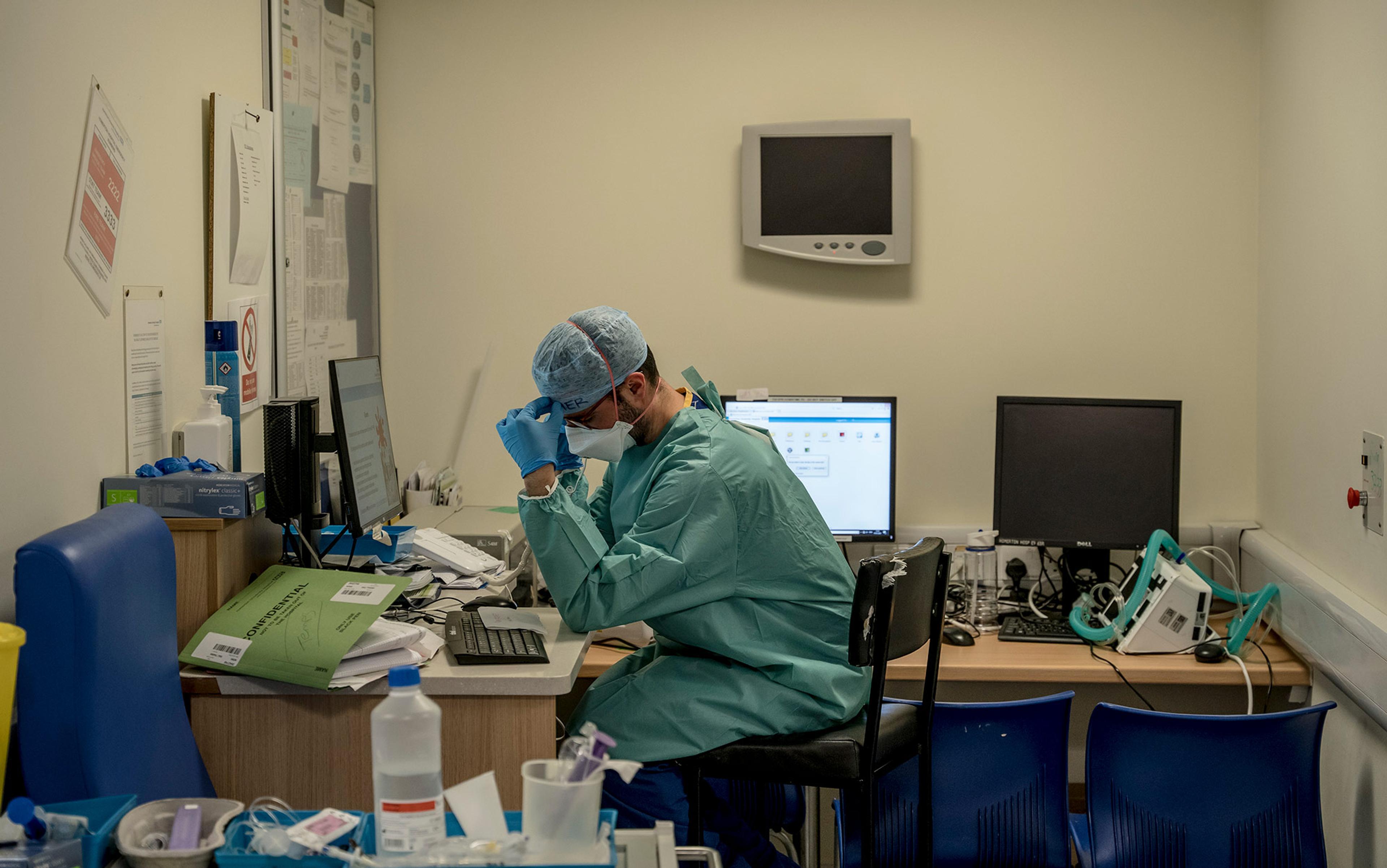
Triage is one of the hardest parts of disaster medicine, because it forces decisions no one ever wants to make, but it exists for one reason:👉 To save the greatest number of lives possible, and understanding that now, means you’re better prepared for what happens when systems are pushed to their limits.