


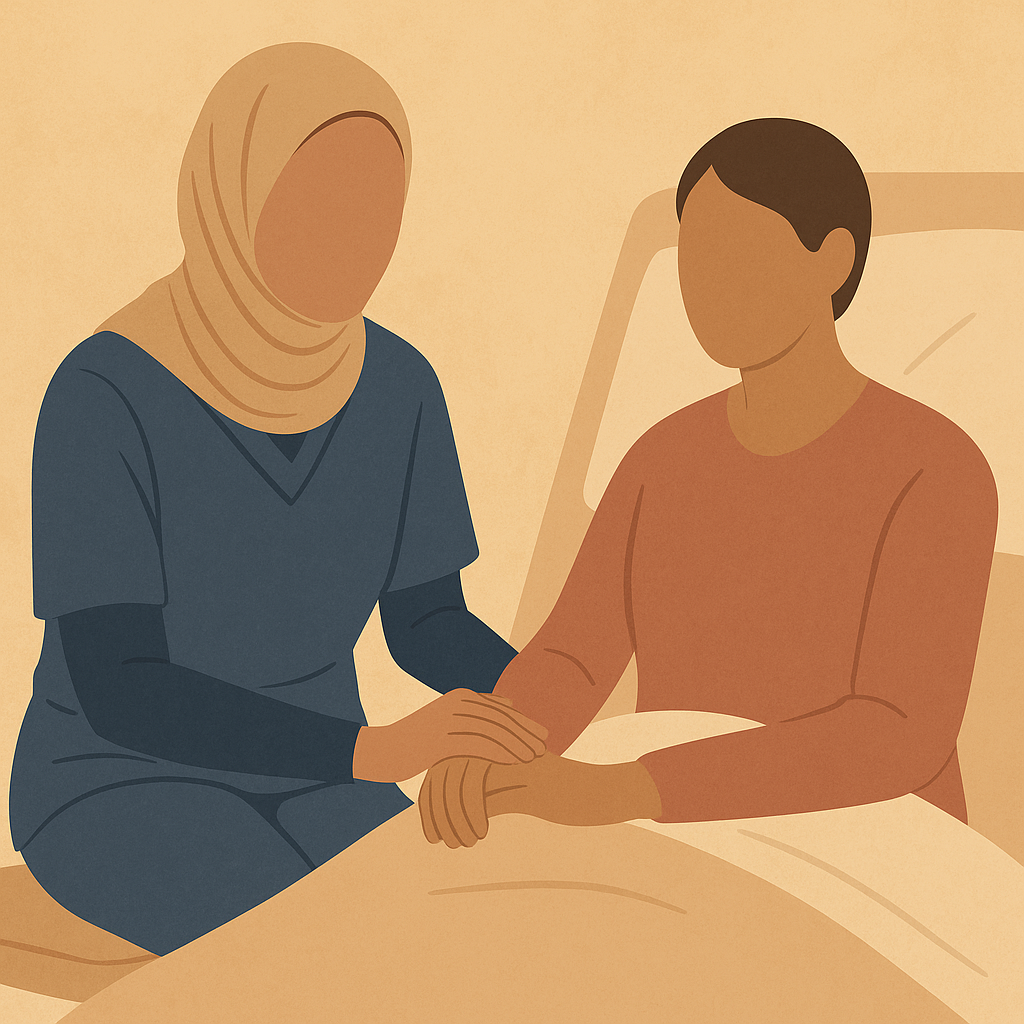
One of the hardest lessons in nursing-especially in disaster settings, emergency care, and humanitarian response-is accepting that you cannot always fix the situation.
You can stabilize vitals.
You can offer safety.
You can provide comfort, resources, and support.
But you cannot control outcomes, repair losses, or erase trauma.
And yet, patients remember nurses not for what we “fixed,” but for how we showed up when everything felt impossible.
Being fully present-even in hardship-is a powerful form of care.
1. Presence Is a Clinical Skill
When you stand beside someone in crisis, your presence communicates:
- I’m here.
- You’re not alone.
- You matter.
In disaster shelters, emergency rooms, and chaotic environments, this grounding presence can mean more than any intervention.
2. Patients Feel Your Energy
Your tone, body language, and pace set the emotional tone of the room.
Small actions shift everything:
- sitting instead of standing
- slowing your breathing
- making gentle eye contact
- speaking softly
- using steady, calm movements
These signals tell the nervous system:
“You are safe with me.”
3. Holding Space Does Not Mean Absorbing Pain
Many nurses struggle with witnessing suffering without internalizing it.
Holding space means:
- witnessing someone’s emotions
- allowing them to express fear or grief
- staying grounded and present
- validating their experience
- resisting the urge to fix what cannot be fixed
It is empathy with healthy boundaries.
4. You Don’t Need the Perfect Words
In crisis, patients don’t need speeches-they need sincerity.
Simple, honest phrases:
- “I’m here with you.”
- “Take your time.”
- “You’re safe right now.”
- “Your feelings make sense.”
These words are more powerful than any script.
5. Being Present Protects Against Re-traumatization
Trauma survivors are vulnerable to:
- feeling dismissed
- feeling rushed
- feeling unheard
- feeling judged
- feeling out of control
Your presence counteracts these triggers.
It restores dignity, autonomy, and calm.
6. Presence Is Healing-Even When Outcomes Are Hard
Nurses often underestimate how much healing comes from simply:
- sitting bedside
- listening
- pausing
- offering silence
- holding a hand
- supporting a family
- honoring cultural or spiritual needs
This work is invisible on the chart, but deeply visible in someone’s memory.
Call to Action
This week, choose one moment in your shift to practice intentional presence.
✨ Try one of these:
- Sit down for 20 seconds beside a patient.
- Take one slow breath before entering a stressful room.
- Speak one sentence of grounding support.
- Let silence be a form of comfort.
- Offer a moment of connection with no rush, no pressure, no fixing.
Your presence is powerful-use it with intention.