


 One of the first things people do in a crisis? 👉 Reach for their phone, and one of the first things to fail?
👉 Communication. Not completely. Not all at once, but enough to create uncertainty.
- Calls don’t go through
- Texts are delayed
- Internet slows, or stops
- Information becomes inconsistent
And in that moment, 👉 Silence becomes the stressor
What Actually Happens to Communication Systems
Communication systems rarely “shut down.” They become overloaded.
Think of it like this:
- Everyone tries to call at once
- Networks prioritize certain traffic
- Bandwidth gets saturated
So while your phone may show signal…👉 It doesn’t mean you can connect
Why This Matters More Than You Think

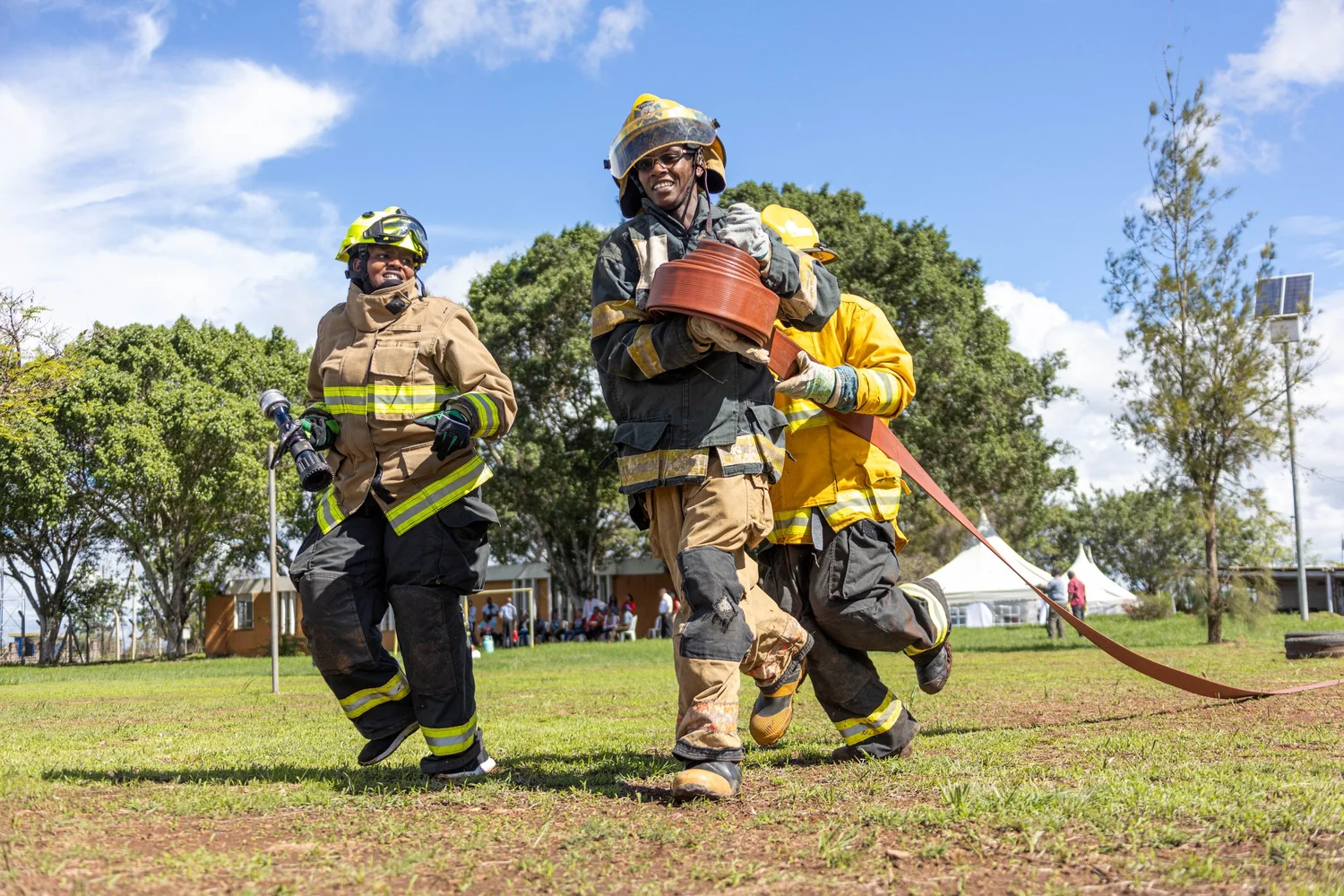
In disaster response, communication is everything:
- Families trying to locate each other
- Hospitals coordinating patient flow
- EMS managing limited resources
- Public health agencies pushing guidance
When communication slows-👉 Coordination breaks down, and that’s when small problems become big ones.
The Question to Ask Yourself
If you couldn’t reach your family for several hours:
👉 Would you know where they are?
👉 Would they know where to go?
What Actually Works When Phones Don’t

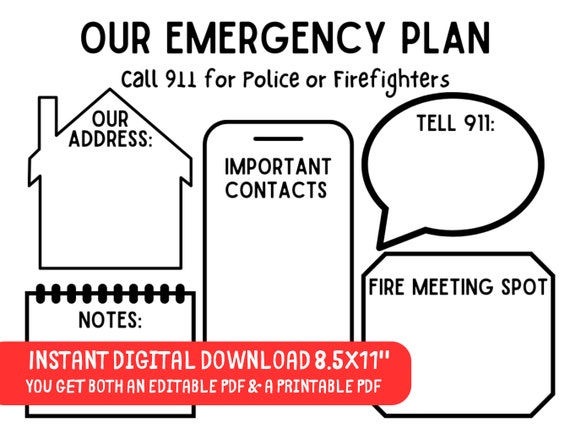

1. Texting > Calling
Texts require less bandwidth and often go through when calls don’t.
2. Predetermined Meeting Points
Have a location everyone knows to go to, no communication needed.
3. Written Contact Info
Don’t rely on your phone to store everything.
4. Alternative Communication Tools
- Walkie-talkies
- Battery-powered radios
5. An Out-of-Area Contact
Sometimes it’s easier to reach someone outside your region who can relay messages.
A Simple Plan That Changes Everything
- “If we can’t reach each other, we go here.”
- “If that fails, we contact this person.”
- “If phones are down, we wait X hours before moving.”
That’s it. Simple. Clear. Effective.
Final Thought

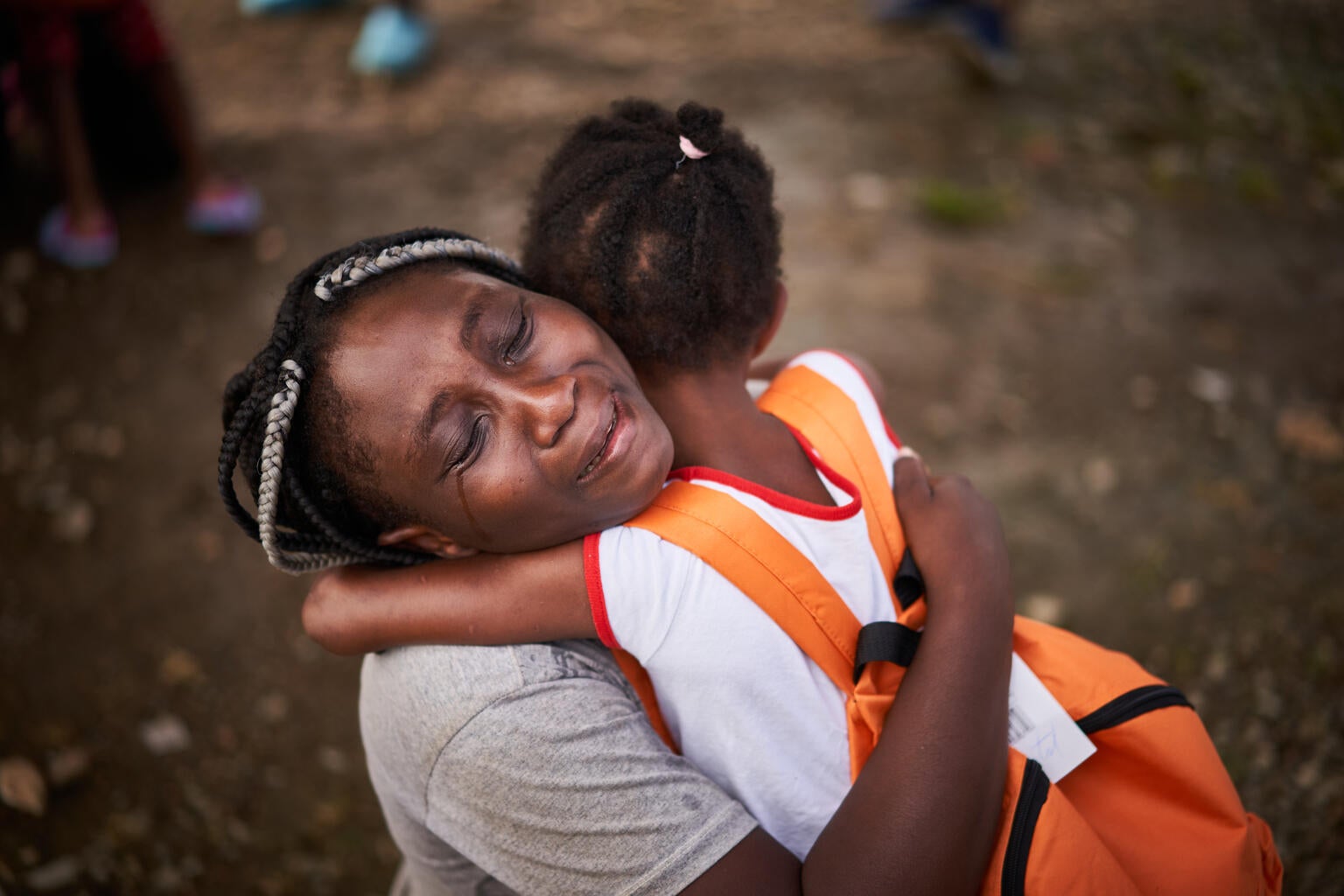

Communication doesn’t have to disappear to create chaos.
It just has to become unreliable, and in those moments, 👉 The best plan is the one you made before you needed it