

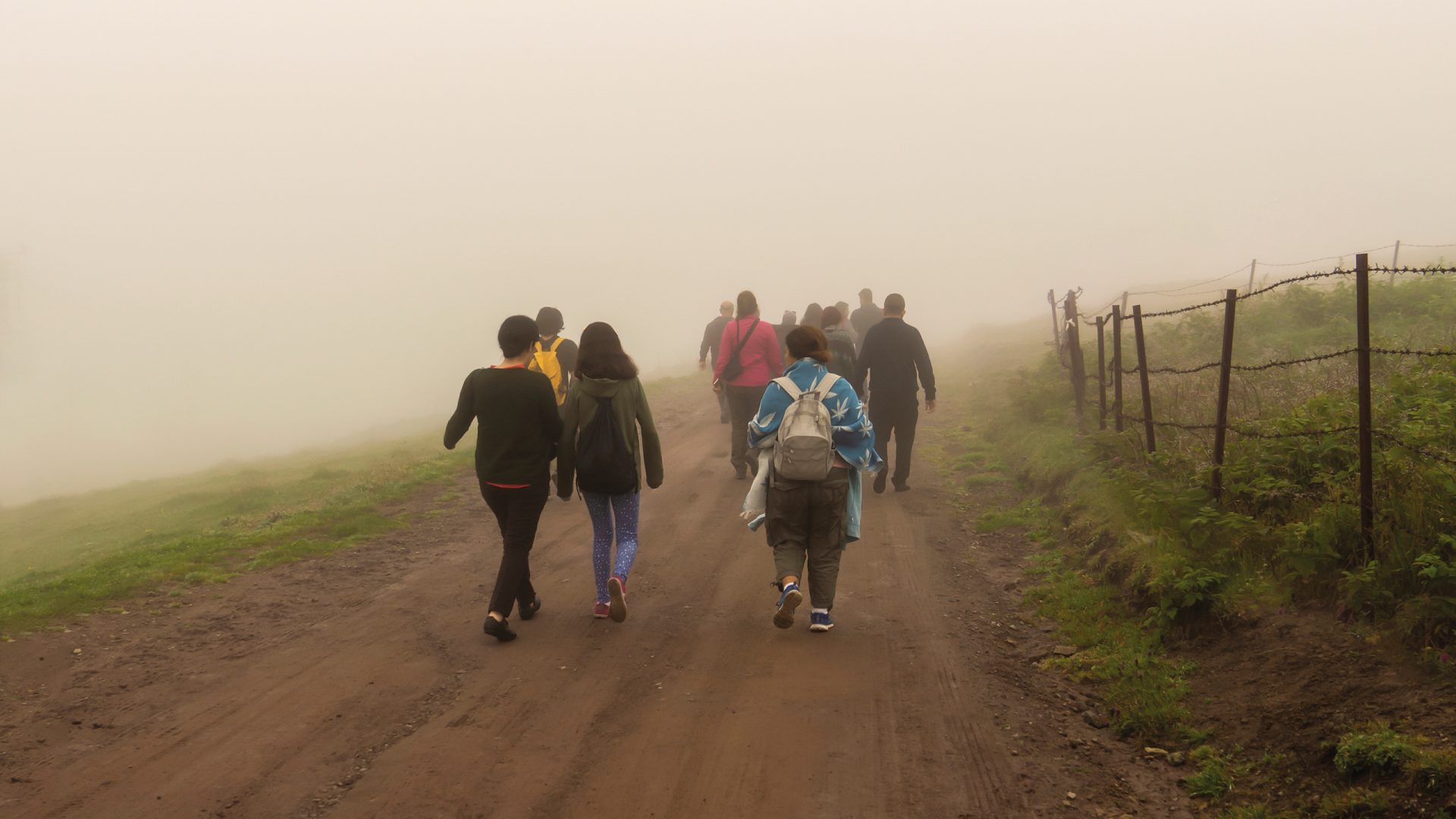

When we talk about climate change, we often talk about temperature.
We talk about hurricanes, wildfires, flooding, drought, and sea-level rise.
What we do not talk about nearly enough is what happens to people after those events make it difficult, or impossible, for them to stay where they are.
That number deserves attention. But from a disaster and public health perspective, the number is only the beginning of the conversation.
Because people do not simply “move.”
They arrive somewhere.
And when populations are displaced, communities and health systems have to absorb the consequences.
People still need medications. Children still need vaccinations. Pregnant patients still need prenatal care. Dialysis does not stop because someone’s home flooded. Diabetes does not disappear when someone evacuates. Neither do cancer, mental health conditions, disabilities, or the healthcare needs of older adults.
Then there are the immediate consequences of displacement: interrupted healthcare, crowded shelters, disrupted sanitation, medication loss, infectious disease concerns, food insecurity, transportation barriers, separation from caregivers, and psychological trauma.
That is why climate displacement cannot be viewed only as an environmental or immigration issue.
It is a disaster preparedness issue.
It is a healthcare issue.
And it is a public health issue.
For the United States, preparedness cannot begin after large numbers of people have already been displaced. We need to be asking now whether communities have the infrastructure to receive displaced populations, whether hospitals can absorb changes in demand, whether emergency departments are prepared for the healthcare consequences of prolonged displacement, and whether our emergency plans account for people who cannot simply evacuate with a suitcase and start over somewhere else.
We also need nurses at these tables.
Nurses understand what happens when a beautifully written emergency plan meets a patient who left home without insulin.
We understand what happens when someone arrives at a shelter with an oxygen concentrator but no electricity.
We understand that “evacuated” does not mean “safe.”
And we understand that recovery does not begin simply because the immediate disaster is over.
Climate-related displacement will not look the same everywhere, and projections about its eventual scale carry substantial uncertainty. Much of the movement researchers anticipate is expected to occur within countries rather than across international borders.
But uncertainty about the exact number is not an excuse to avoid preparing for the problem.
Preparedness is about identifying vulnerabilities before they become failures.
If millions of people may eventually have to leave communities that can no longer safely or sustainably support them, then disaster preparedness cannot focus exclusively on how we evacuate people.
We also have to ask a much harder question:
Where do they go, and are the communities receiving them prepared to care for them?
That is the conversation disaster professionals, public health leaders, healthcare systems, emergency nurses, emergency managers, and policymakers need to be having now.
Because displacement is not the end of a disaster.
For many people, it is the beginning of the next one.