


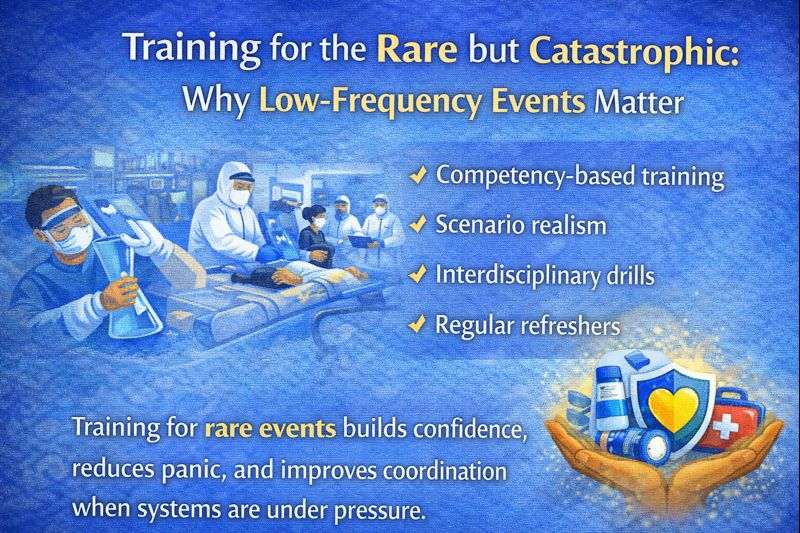
One of the hardest parts of the response is identifying those who have been injured or lost during a disaster. Families wait for answers, responders work tirelessly, and the world often forgets how complex that process really is.
That’s where INTERPOL’s Disaster Victim Identification (DVI) team comes in.
What Is DVI?
INTERPOL’s DVI program is a globally recognized framework used to identify victims after major disasters. With 196 member countries, INTERPOL helps coordinate local and international law enforcement, forensic experts, and healthcare professionals to ensure identification is done accurately, respectfully, and consistently.
You can learn more directly from INTERPOL’s official site:
👉 INTERPOL: Disaster Victim Identification (DVI)
How It Works
The DVI process typically involves four key phases:
- Scene Examination: Recovery of remains and personal effects.
- Post-Mortem Data Collection: Forensic exams (fingerprints, dental, DNA).
- Ante-Mortem Data Collection: Gathering information from families or records.
- Reconciliation: Matching and confirming identities through scientific evidence.
INTERPOL uses this standardized system worldwide, ensuring that every victim is treated with dignity and precision, and every family receives clear, verified information.
When INTERPOL Gets Involved
INTERPOL assists member nations when disasters cross borders or overwhelm local resources.
Examples include:
- The 2020 Beirut port explosion
- The 2019 Ethiopian Airlines Flight 302 crash
- The 2019 Sri Lanka Easter bombings
In each case, INTERPOL helped coordinate identification, share data securely, and provide closure to families across multiple countries.
Why It Matters
Accurate identification is about more than forensics, it’s about humanity.
It helps:
- Return loved ones to their families
- Prevent mistaken identities
- Support legal, cultural, and emotional closure
- Strengthen trust between nations and communities
For healthcare and disaster response professionals, understanding this process reinforces the importance of detailed documentation, respectful communication, and cross-agency collaboration during crises.
Learn More
For those interested in reading further:
- INTERPOL DVI Official Page
- INTERPOL DVI Guide (PDF)
- WHO: Humanitarian Forensics and Mass Fatality Management
- ICRC: Forensic Work in Disasters
#adventureswithnursejamla