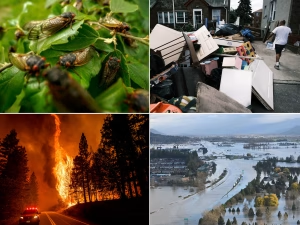
Across the world, communities are experiencing stronger hurricanes, devastating floods, record-breaking heat waves, and massive wildfires. These events are not isolated incidents. They are part of a global pattern where climate conditions are amplifying disaster risks and placing growing pressure on health systems.
For those working in emergency and disaster response, the pattern is becoming clear: climate change is intensifying both the frequency and severity of disasters.
Extreme weather events are not just environmental problems. They are public health emergencies.
The health consequences of disasters often extend far beyond the initial event. During heat waves, hospitals see increases in dehydration, heat exhaustion, and heat stroke. Wildfires produce smoke that worsens respiratory illnesses such as asthma and chronic lung disease. Flooding can contaminate water systems and lead to outbreaks of waterborne diseases including cholera and leptospirosis.
Storms and disasters also cause injuries, displacement, and disruptions to healthcare access. For many communities, the health effects continue long after the immediate disaster has passed.
Disasters rarely impact populations equally. Vulnerable groups—including children, older adults, and individuals living in poverty—often experience the greatest risks. Communities with limited healthcare access, fragile infrastructure, or unstable housing are particularly susceptible to the cascading effects of disasters.
In many parts of the world, climate-driven disasters are compounding existing humanitarian challenges, including conflict, displacement, and fragile health systems.
Preparedness remains one of the most effective strategies for reducing disaster impacts. Early warning systems, resilient infrastructure, and strong community planning can help mitigate the effects of extreme weather events.
However, disaster preparedness does not begin only at the government level. It starts in homes and communities. Families who have emergency plans, communication strategies, and basic disaster supplies are better positioned to navigate crises when they occur.
As extreme weather events continue to reshape the global disaster landscape, the need for preparedness has never been greater.
Climate-driven disasters are no longer distant possibilities. They are unfolding in real time across the world.
The question is no longer whether disasters will occur, but whether we will be prepared when they do.
Preparedness saves lives.
For more insights on disaster preparedness, public health resilience, and emergency readiness, explore more resources on #AdventureswithNurseJamla