
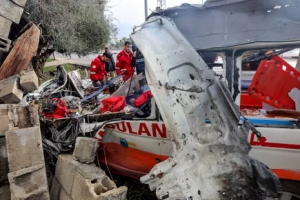
Humanitarian aid workers are often among the first to arrive when disasters strike and the last to leave when communities begin to recover. They provide medical care, distribute food and water, rebuild infrastructure, and support populations facing extraordinary hardship.
Yet in many parts of the world, these workers are increasingly operating in dangerous environments.
Violence against humanitarian personnel has been rising in recent years. Aid workers may face threats including kidnapping, armed attacks, detention, and the destruction of medical facilities or humanitarian vehicles. In conflict zones, healthcare workers and humanitarian teams sometimes become targets rather than protected responders.
These attacks have serious consequences beyond the immediate loss of life or injury. When humanitarian workers are harmed or forced to withdraw from an area, entire communities can lose access to essential services such as medical care, clean water, and food assistance.
Healthcare facilities may close, vaccination programs may stop, and emergency response operations may be delayed. The people who depend most on humanitarian support are often those who suffer the greatest consequences.
Protecting humanitarian personnel is critical to maintaining access to lifesaving services. International humanitarian law is intended to protect healthcare workers, aid personnel, and medical facilities during conflicts. However, these protections are not always respected.
The safety of aid workers is not only a security issue; it is also a public health issue. When humanitarian teams are unable to safely reach affected populations, preventable illness, injury, and death can increase.
Strengthening protections for humanitarian workers, improving security coordination, and maintaining global attention on these risks are essential to sustaining effective disaster response.
Humanitarian work will always involve risk, but ensuring the safety of those who provide lifesaving assistance is fundamental to protecting communities affected by crisis.
For more insights on disaster response, humanitarian health, and global crisis preparedness, explore additional resources on #adventureswithnursejamla