


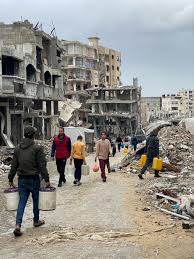
 When conflict erupts, children are often among the most vulnerable—and the most overlooked—victims of disaster.
Across many regions of the world, ongoing conflicts are creating severe humanitarian crises that disrupt healthcare systems, destroy infrastructure, and leave millions of children without access to basic medical care. Hospitals are damaged or overwhelmed, supply chains collapse, and healthcare workers struggle to meet the needs of rapidly growing displaced populations.
For children, the consequences are immediate and long-lasting.
Malnutrition rates often rise sharply in conflict zones as food systems are disrupted and families lose access to stable income and resources. Preventable diseases such as measles, diarrheal illness, and respiratory infections become more common when vaccination programs and primary healthcare services break down.
Injuries related to explosions, collapsed buildings, and unexploded ordnance further increase the burden on fragile health systems.
Beyond the physical injuries, the psychological toll of conflict can have lasting effects on child development. Repeated exposure to violence, displacement, and instability can lead to chronic stress, anxiety, depression, and long-term trauma.
Children living in conflict environments are often forced to grow up in conditions where safety, stability, and access to education are severely disrupted.
Healthcare providers working in humanitarian and disaster settings frequently face the challenge of delivering pediatric care in environments with limited resources, damaged infrastructure, and overwhelming patient needs. In these contexts, protecting the health and well-being of children requires coordinated humanitarian response, resilient health systems, and sustained global attention.
The impact of conflict on children is not limited to the duration of war. The health consequences can extend for years, shaping long-term outcomes for entire generations.
Recognizing the unique vulnerabilities of children in conflict settings is essential for developing effective disaster response strategies and strengthening global health resilience.
For more insights on disaster health, humanitarian response, and protecting vulnerable populations, explore additional resources on #AdventureswithNurseJamla.