


You’ve probably heard it before: 👉 “Be prepared for 72 hours.”Three days.
That’s the standard advice, but here’s the problem-👉 Most disasters don’t resolve in 72 hours, and systems don’t fully recover in that time either.
Where the 72-Hour Idea Comes From
The 72-hour guideline isn’t wrong, it’s just… incomplete.
It’s based on the idea that:
- Emergency services will stabilize the situation
- Supply chains will begin to recover
- Help will start reaching communities
And sometimes, that’s true, but often?
👉 It takes longer
What Actually Happens After Day 3

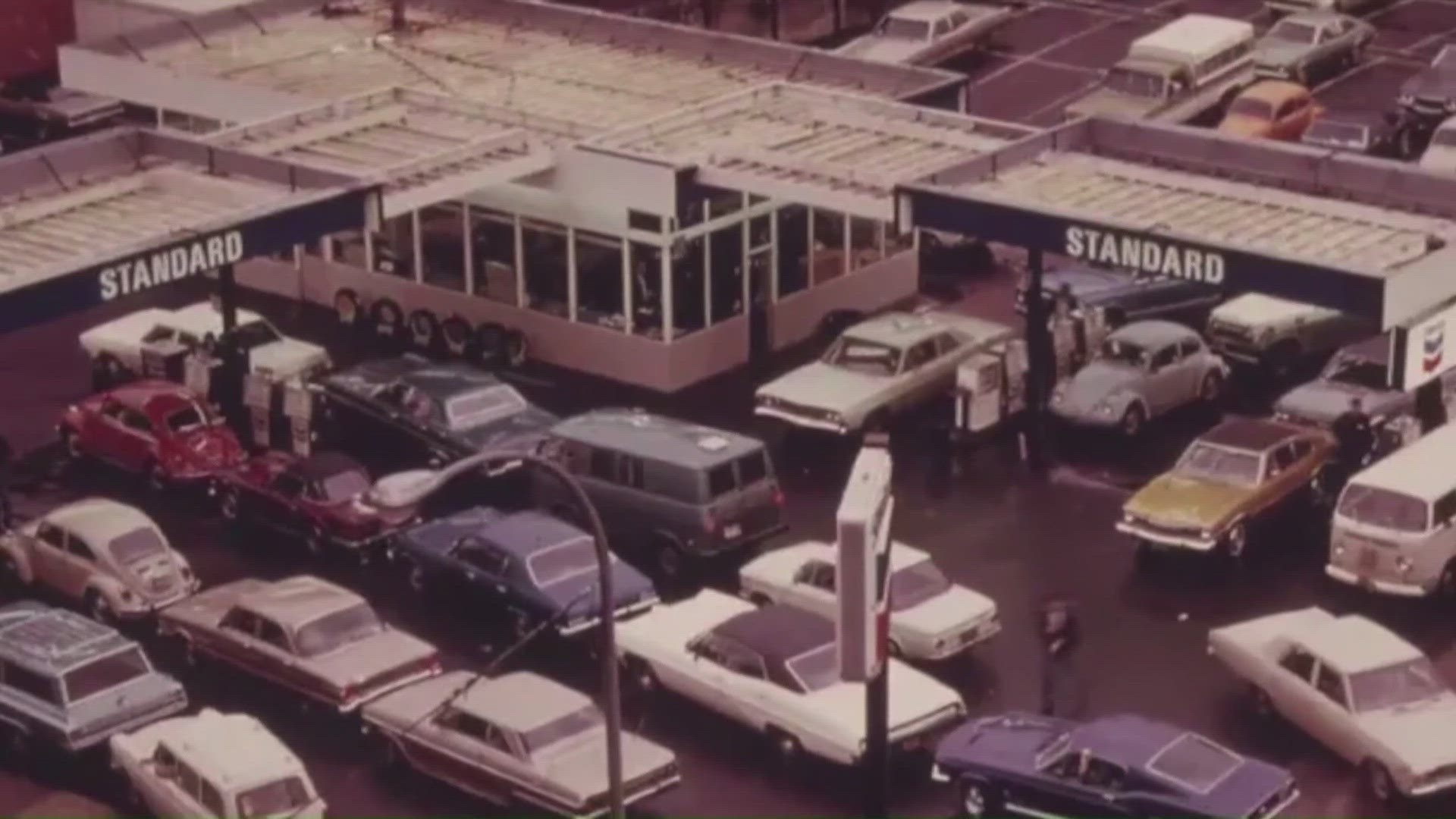
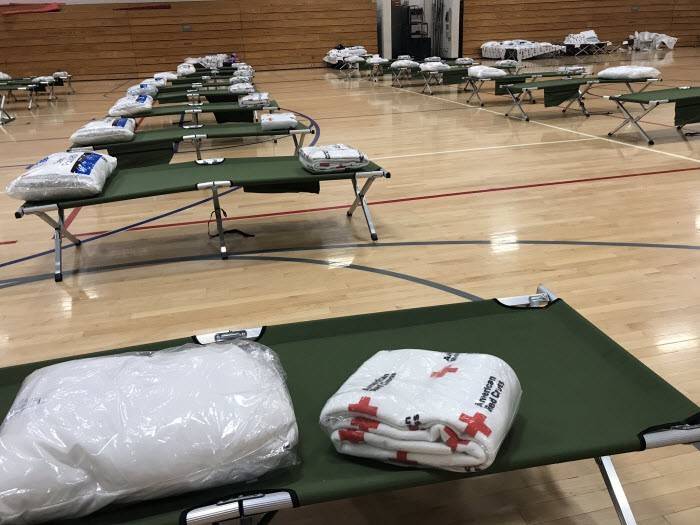
This is where the gap shows up.
- Supplies start running low
- Fatigue sets in
- Frustration increases
- Access becomes inconsistent
And the reality becomes clear: 👉 You’re still largely on your own
Why People Struggle After 72 Hours
Not because they didn’t prepare at all, but because they prepared just enough to feel prepared
- A few bottles of water
- Some snacks
- A flashlight
That gets you through discomfort. Not disruption.
The Question to Ask Yourself
If nothing improved after 3 days…
👉 What would Day 4 look like for you?
👉 Day 5?
👉 Day 7?
Because that’s where resilience is actually tested.
What “Real” Preparedness Looks Like
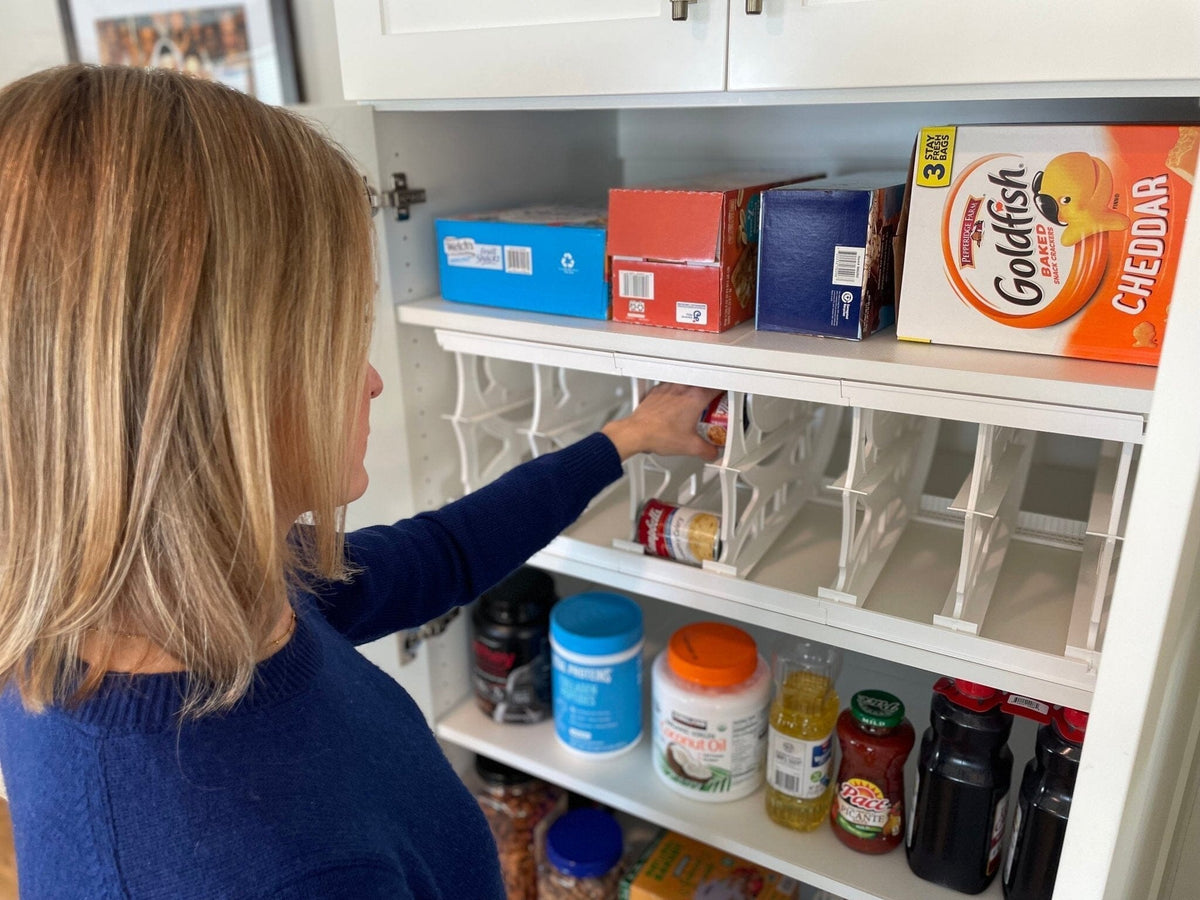

Extend your baseline:
- Aim for 5–7 days of supplies (minimum)
Think beyond supplies:
- Power
- Communication
- Medications
- Sanitation
Plan for sustainability:
- How will you restock?
- What runs out first?
- What has no backup?
👉 Preparedness is not a moment, it’s a system
The Shift That Changes Everything
Stop thinking: 👉 “Will I be okay for 72 hours?”
Start thinking: 👉 “Can I function if nothing improves for a week?”
That one shift changes how you prepare.
Final Thought



The first 72 hours are about stabilization.
What comes after—
Is about endurance
And the people who prepare for that?
👉 Are the ones who don’t just get through a crisis, but come out of it stronger