

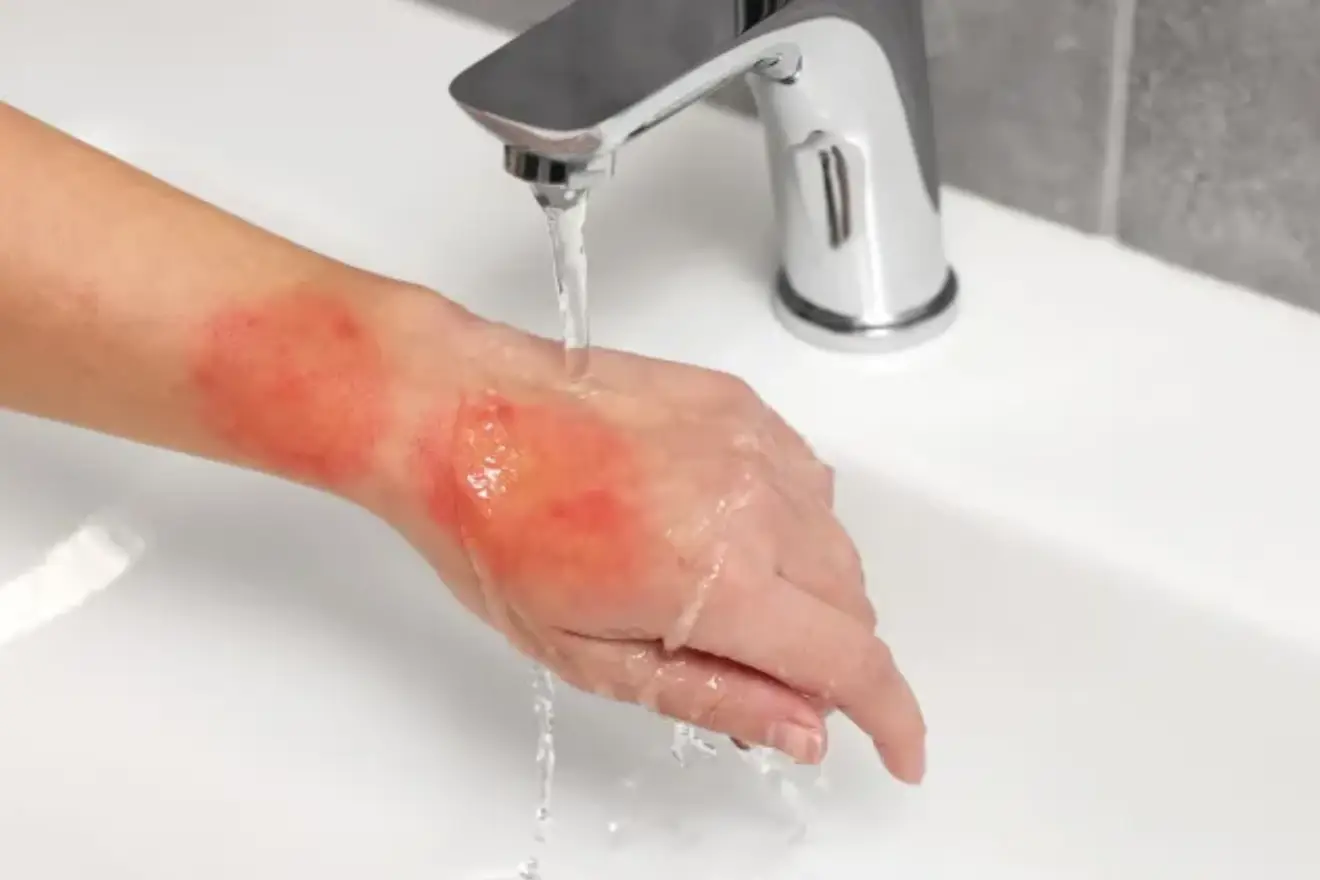


When people think about disasters, they focus on the initial event:
The injury.
The chaos.
The response.
But what comes next is often more dangerous- Infection.
Not dramatic. Not immediate, but persistent. Preventable. And deadly if ignored.
Why Infection Becomes the Next Crisis
After the initial surge:
- Healthcare systems are overwhelmed
- Supplies are limited
- Sanitation breaks down
- People are displaced
And that creates the perfect conditions for: Disease to spread
What Changes in a Disaster Environment


- Clean water
- Regular hand hygiene
- Sterile supplies
- Controlled environments
Even small issues become big ones:
- Minor cuts → infected wounds
- Dehydration → worsened illness
- Close contact → rapid transmission
The Reality Most People Don’t Expect
In disasters, people often don’t die from the event itself—
They die from complications afterwards
- Sepsis
- Respiratory infections
- Gastrointestinal illness
- Wound infections
And many of these?Are preventable.
The Question to Ask Yourself
If you couldn’t access care right away, could you prevent a small problem from becoming a serious one?
Start Here (Practical Hygiene Readiness)


Hygiene basics matter more than you think:
- Soap (yes-simple soap)
- Hand sanitizer
- Disinfectant wipes
- Gloves
- Basic wound care supplies
- Antiseptic
- Clean dressings
Think beyond convenience:
- How will you wash your hands?
- How will you manage waste?
- How will you keep wounds clean?
Simple Actions That Make a Big Difference
- Clean wounds early-even minor ones
- Prioritize hand hygiene (especially before eating or care)
- Separate sick individuals if possible
- Don’t ignore early signs of infection
Prevention becomes your first line of defense
Final Thought


